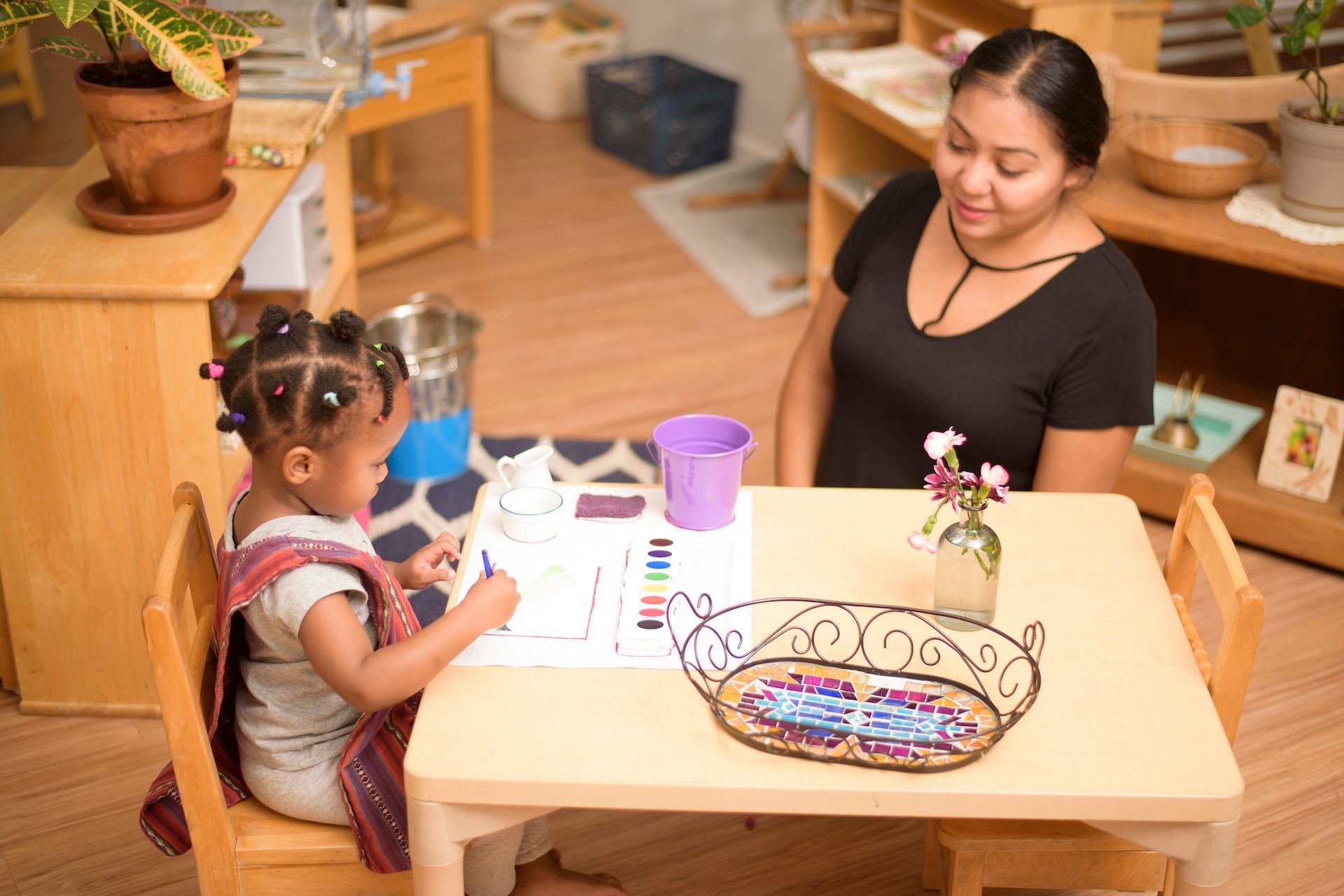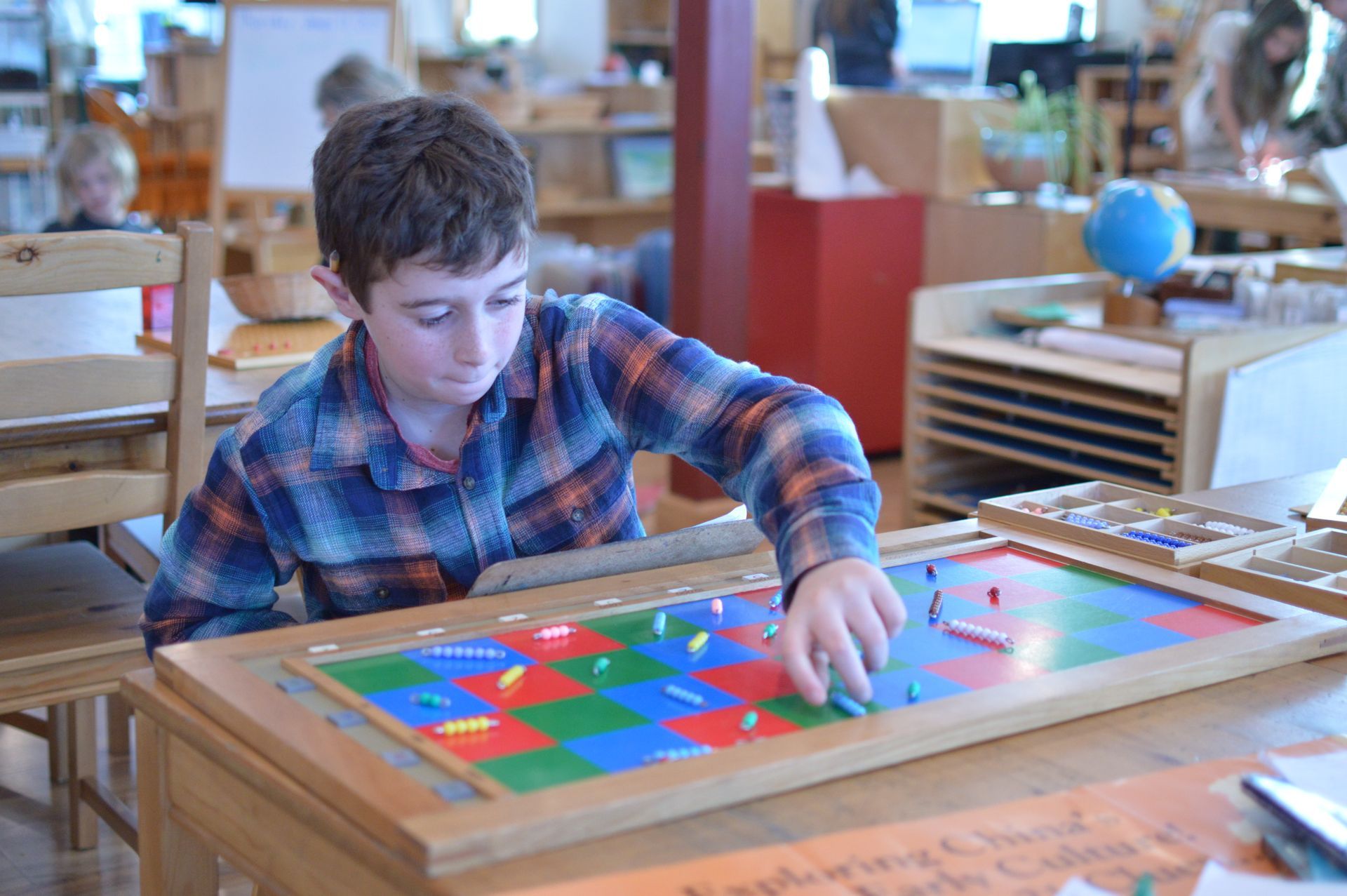

Discover how to guide your child through big feelings using the simple Montessori three-step approach: Accept, Observe, and React. Nurture emotional resilience with peaceful, practical tools for home.
Human emotion is a gift, allowing us to experience a rich, wide-ranging spectrum of feelings. Yet for young children, and even for us as adults, navigating that emotional spectrum can sometimes feel like a wild roller coaster!
When strong feelings arise, parents often ask us how to help their children find healthy ways to move through them. Should we help them control their emotions? Should we encourage some feelings and discourage others?
At Peaceful Pathways Montessori, we believe that emotional growth is not about controlling or suppressing what we feel. Instead, we ground our peaceful classroom communities in a gentle, three-step approach: Accept, Observe, and React.
The Natural Shift Toward Independence
In infancy and early childhood, children naturally rely on trusted adults for physical comfort and solutions to co-regulate. As children grow into our mixed-age primary and elementary environments, we gradually guide them toward managing their inner worlds more independently—giving them tools to navigate life’s ups and downs with resilience and confidence.
Here is how you can use this simple framework at home:
1. Accept
Accepting an uncomfortable emotion can be the hardest step for children and adults alike. We often feel subtle pressure to deny our feelings because we’ve been taught that some emotions are "good" while others are "bad".
We can give our children immense relief by reminding them—frequently—that there is no wrong way to feel. Emotions are simply normal responses to our experiences. They do not define who we are, but they do teach us plenty about ourselves, others, and the world.
- How to practice: Help your child name the feeling using simple language. If your child is overwhelmed or lacks the vocabulary, gently offer a neutral statement without judgment or immediate solutions: "You seem frustrated." or "I see that you feel angry." Stating a feeling as a neutral fact helps the brain process it safely.
2. Observe
Once a feeling is acknowledged, the next step is to step back and observe it neutrally, as something separate from ourselves.
Because observing emotions during the heat of the moment is challenging, it is best to talk through this concept during calm, cozy moments—such as over dinner or during bedtime reading.
- How to practice: Help your child connect their emotions to physical sensations in their body. Ask: "Where in your body do you feel that anger?" They might notice a tight tummy, a racing heart, heavy shoulders, or a warm face.
- Focusing on the body: Guide them to simply pay attention to that physical sensation. By shifting focus to the body, we help the intense mental wave pass without resisting it.
3. React
Allowing emotions to run their natural course is the healthiest approach; leaning into the sensation helps uncomfortable feelings pass much faster than fighting them.
During times of calm, establish clear household boundaries around healthy and unhealthy reactions. Establishing what is acceptable (asking for a quiet moment alone) versus what is not (hitting or throwing) sets children up for long-term emotional confidence.
- Finding healthy outlets: Talk with your child about positive ways to channel intense energy. If a child has a strong impulse to scream, could they sing a loud song or do heavy movement work instead?
- Offer support, but respect space: Ask your child: "Would a hug help, or would you like to sit quietly nearby?" Sometimes children want physical connection, and other times they simply need a peaceful, uninterrupted space to restore their inner calm.
Modeling Grace and Growth
As parents and educators, we don't need to navigate emotions perfectly to be wonderful guides. When we make mistakes or lose our temper, leaning into authentic restoration by acknowledging our own feelings offers our children a powerful, real-life model of grace, humility, and self-awareness.
By honoring our children as whole, respected human beings, we give them the lifelong gift of emotional resilience—one peaceful step at a time.
Recommended Parent Resources
- Further Reading: Explore this thoughtful article on how adults can use personal mistakes as teaching points for children.
- Practical Activities: Download this guide on teaching children to recognize and name emotions through picture books and everyday play.