
Back to School
Support your child’s adjustment during the first weeks of school with Montessori-inspired tips for calm mornings, confidence, and connection.
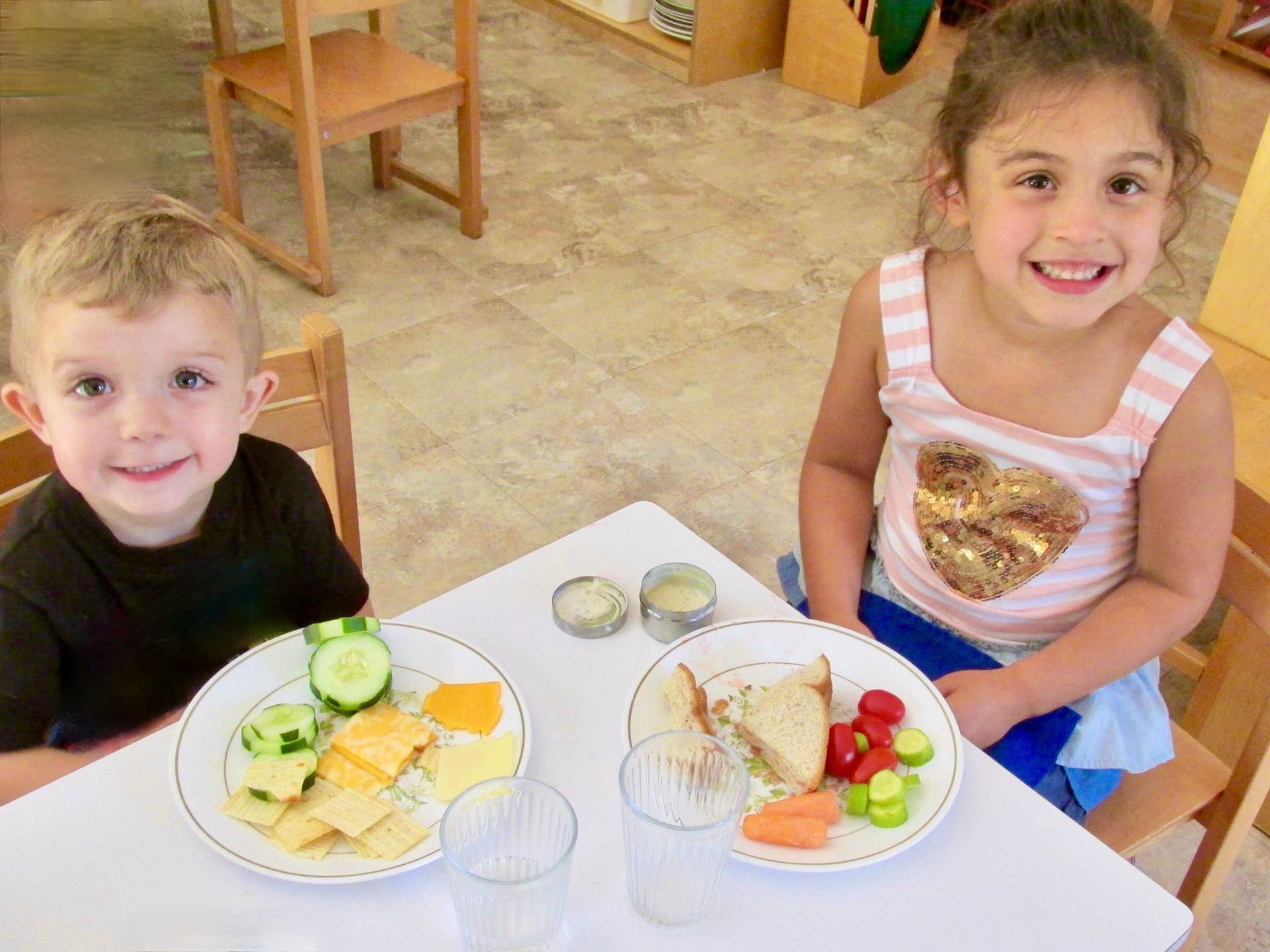
The beginning of a new school year is nearly upon us. For many families, this means packing a daily lunch for your child to take along with them. Whether this is your child’s first year doing so, or you’re just looking for some fresh ideas to keep things simple, healthy, and fun, read on. What lunch is (and isn’t) Lunch is an opportunity for your child to refuel and nourish themselves in the middle of the school day. They’re working hard, growing lots, and eating good food will keep them feeling good through the afternoon. Lunch doesn’t have to be Pinterest-worthy. (Although it absolutely can be if you’re into that.) We have all stumbled upon those photos of cute bento boxes with flower-shaped cucumber slices. They really are adorable. But are they necessary? Let this serve as your reminder that lunches for your child can be lovely and ornate, or they can be lovely and simple. Both will be appreciated. Both will be gobbled up. Both will serve their purpose. We are not here to shame the parents who do create these miniature culinary masterpieces. We just don’t want everyone to feel the pressure to do so. Nutrition simplified Raise your hand if you’ve ever experienced the following: Your child eats nothing but peanut butter and strawberry jelly sandwiches for three months straight. You decide to be prepared and buy several jars of the coveted jelly. The next day, they declare they don’t eat peanut butter and jelly (perhaps even insisting they never did like it), and they decide they are ready to explore new foods. We’ve all been there. Even the most adventurous eaters get into ruts sometimes, then change their habits seemingly on a whim. It’s normal and will probably happen a number of times as their tastes develop. The pbj scenario does serve as a helpful reminder, however. Kids can have their nutritional needs met rather simply. Of course, we are not dieticians, and your best resource for information is your child’s pediatrician, but there’s room for a balanced diet even when it comes to more “selective” eaters. When putting together a lunch, we like to consider the following: Does the lunch include some protein, fruits/veggies, carbohydrates, and healthy fats? If so, it’s a well-balanced meal. Even that peanut butter and jelly sandwich checks off all the boxes. And there are countless ways of providing what kids need. Here’s a great list in case you’re looking for one: The Essential School Lunch Grocery List Keeping it green We encourage families to utilize reusable containers whenever possible. We know there are times in all of our lives when convenience wins out over being green, but reducing single-use containers is one important way we can all care for the planet our children will inherit. If you’re reading this article, we know you could be anywhere on the spectrum; some folks rely heavily on prepared and prepackaged foods, while others make their own hummus out of the bulk chickpeas they cooked and soaked. Most of us are somewhere in the middle. We have found the key is making one small change at a time, watching it become a habit, and then taking on another small change when you’re ready. A few ideas (links are for examples; many of these types of products can be found in stores nearby): Beeswax wraps Stainless bento-style box Cloth napkins Keep in mind - the greenest option is to use what you already have. If you choose to purchase items for packing lunches, consider selecting products that will last for many years. Utilizing little helpers You probably won’t be surprised to hear us suggest having your children make their own lunches, specifically once they reach kindergarten. This involves a little teaching and learning in the beginning, but in the long run your child will become more independent and you will have a little more time to focus on other things. Start by modeling. Have your child join you in the kitchen as you prepare their lunch and show them what to do. Slowly and deliberately go through each step in packing a lunch so they can have a good example of what it looks like. Next, make lunch together. Have them join you in the kitchen again, but while you make a sandwich they can be chopping up some fresh vegetables. Team effort! Ask your child what they would like to pack. Having them participate in the planning and shopping makes the task a fun activity for them and gives them more ownership over creating a healthy meal. Teach them what a balanced lunch needs and go over examples of what that might look like. Lastly, let them do the work! Each of these steps could take a matter of days or weeks, depending on your child. Keep it fun, notice whether they need any more or less support, and revel in their ability to help care for themselves and contribute to their family. We hope this article has given you some inspiration! Do you have any more ideas or suggestions for other families? We’d love to hear from you.
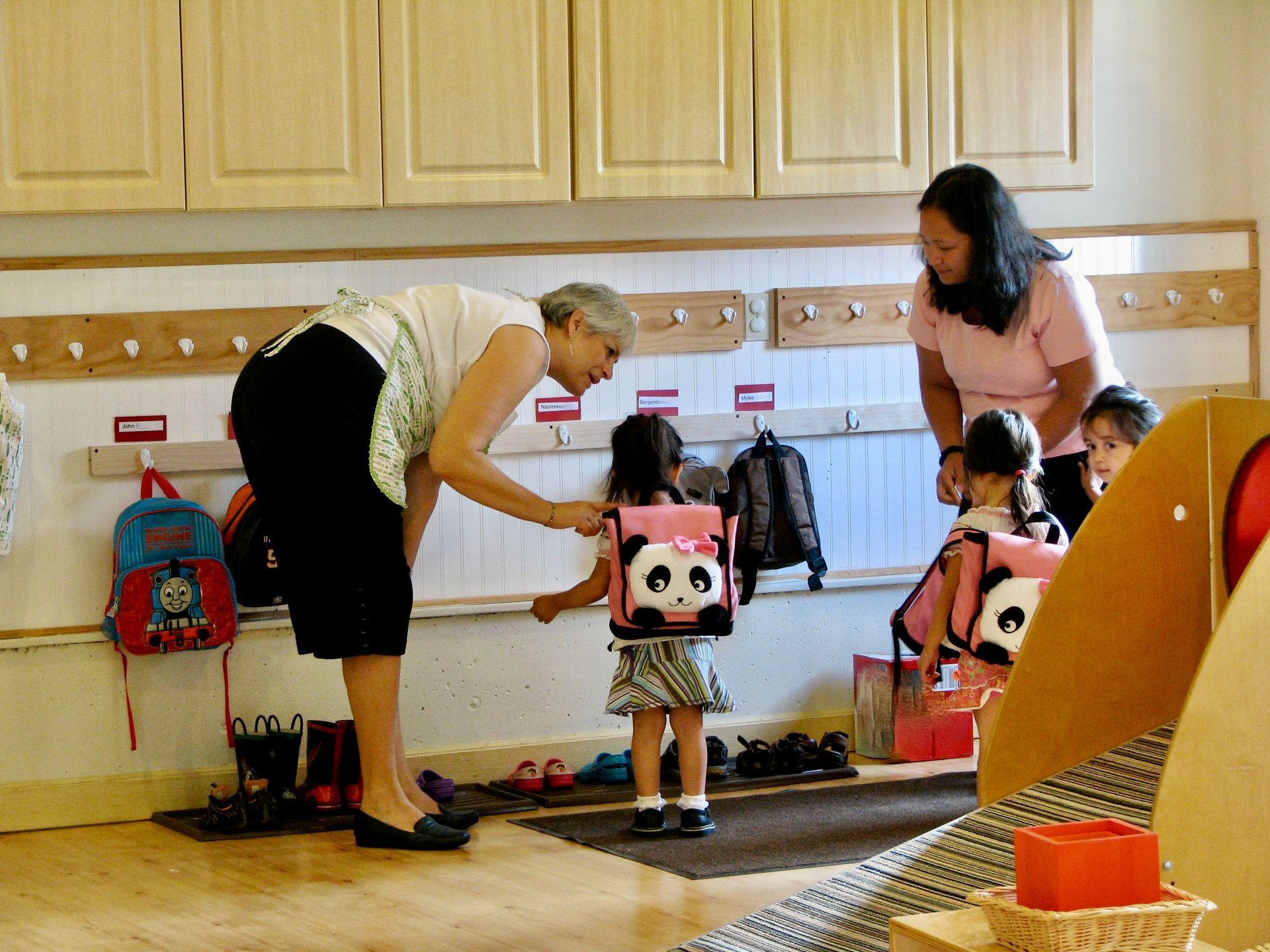
We hope you are enjoying this last stretch of summer! As the school year approaches, we wanted to suggest some ways you can help your child (and yourself!) prepare for the transition back to school. Encourage Mealtime Independence Food preparation and meals are important parts of our daily lives. At school, children will be involved with preparing food, setting the tables, pouring water to drink, and cleaning up after themselves. So we recommend practicing this at home! Children can be part of preparing the table and then clearing the dirty dishes after the meal. We recommend having a clear routine for cleaning up, which can include putting dirty dishes in the sink, dishwasher, or a dish tub after eating. We also encourage the use of regular cups and glasses for meals and snacks, saving a water bottle for when in the car or on walks. Younger children can be encouraged to use silverware to feed themselves. By eating family style meals sitting at the table together, you can also model and practice good table manners. Older children can be involved with setting the menu for meals and even helping with grocery shopping. They can start to map out what they want to pack for lunch and be part of the process of getting their food ready in containers and everything into their lunch box. This also helps children have ownership and buy-in about what they are eating. We also recommend that your child have food containers that are easy to open and close. Going to the store and having your child try opening different kinds of containers is a great way to find some that work well! Think About What to Wear Because younger children are becoming independent with their dressing and undressing, it helps for them to practice these skills at home. Even young toddlers are capable of doing quite a lot of taking off and putting on different items, and they love to do things for themselves. We recommend giving your child the time and encouragement to do things for themselves, including taking shoes off, pulling pants up, unzipping jackets, and so on. Choosing clothing and shoes that are easy for your child to put on and take off is a big help for the transition to school. Older children can gather their belongings to make sure they have everything ready for the first day of school (and every subsequent day!). They can check the weather to determine appropriate outerwear and shoes, practice setting out their clothes the night before, and prep items needed for after-school activities. Prepare a Goodbye Routine To be ready for the first days of school, we recommend preparing your child (and yourself) for what drop-off will look and feel like. It can be helpful to drive by the school and casually notice with your child(ren) where drop-off will happen. As adults, the more clear we are about the routine, the more secure our children will feel. Short and sweet transitions are key. The longer we linger the harder it is for our children to recalibrate and settle into the classroom. To that end, figure out your goodbye process ahead of time. Perhaps it is one hug and two kisses, plus a wave goodbye. Whatever you decide, stick with it. Our children are hard-wired to test our limits and they will want to figure out if they can negotiate two hugs and a wave goodbye then more hugs. However, if that negotiation is successful, they actually feel less secure because then they can’t rely upon a predetermined plan. To help ensure the goodbye plan is a success, practice! While at home and when everyone is in a great mood, suggest a game of pretending you are doing drop-off at school. Remember (or create) the goodbye routine and then act it out together! Take turns being the adult and the child (children love getting to be the adult). Playacting is a fun way to work through what can be a stressful few moments. By establishing clear and firm routines, we help our children develop trust and confidence. If we feel hesitant or unsure, our children absorb those feelings. So we want to exude assuredness! Adjust Schedules If our children have been staying up later during the long days of summer, it helps to gradually shift bedtimes and establish a consistent routine. Rushed mornings tend to be more difficult, so putting some additional effort into getting enough sleep and having plenty of time in the morning can really help the transition back to school. Although earlier mornings can be tough, children do so much better when they can get to school with enough time to settle in. We recommend trying to come on the early side of the arrival window so that children aren’t overwhelmed by the hustle and bustle of last-minute or late arrivals. Coming late can also mean that they miss out on some of the benefits of the Montessori work cycle. We recommend a gradual transition to the school year schedule. If children have been going to bed later, start easing into a bedtime that is earlier by using 15-minute increments over a series of days. Easing into the new schedule is more helpful than just hoping for the best on the first day of school. Check-In We all tend to feel more secure when we feel prepared. To that end, we recommend reviewing the handbook, checking supply lists, labeling your child’s indoor and outdoor shoes, and asking us any clarifying questions! Bring your questions to our Parent orientation meeting (see the date and time in your most recent email newsletter.) New toddlers and primary students, as well as students transitioning from toddler to primary, benefit from attending a student orientation time right before beginning classes. Call or email the school office to set up this time. As always, please let us know if you need anything or have any questions. If you are curious to see more about how we help children transition into Montessori, schedule a visit!