New to Montessori
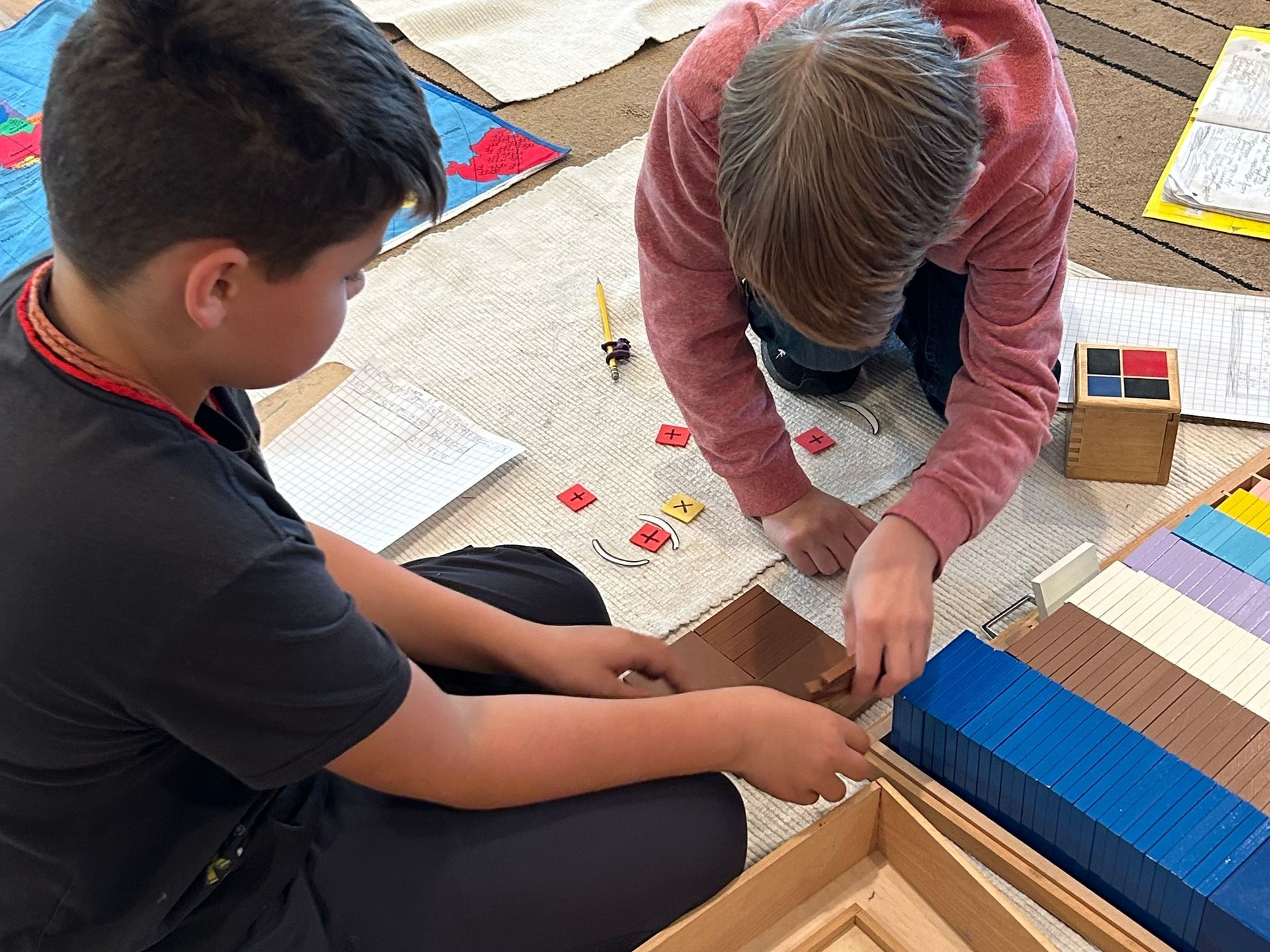
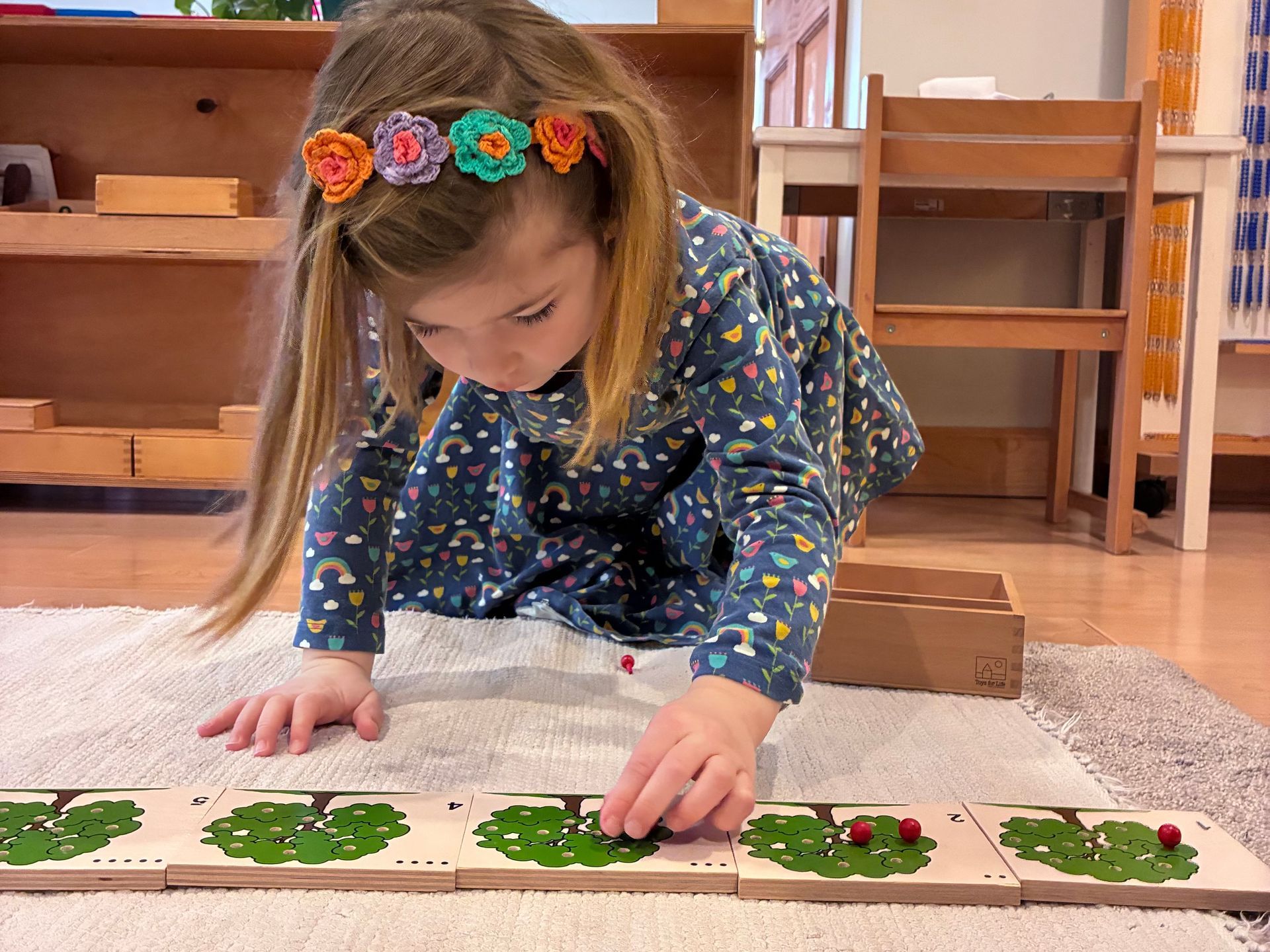
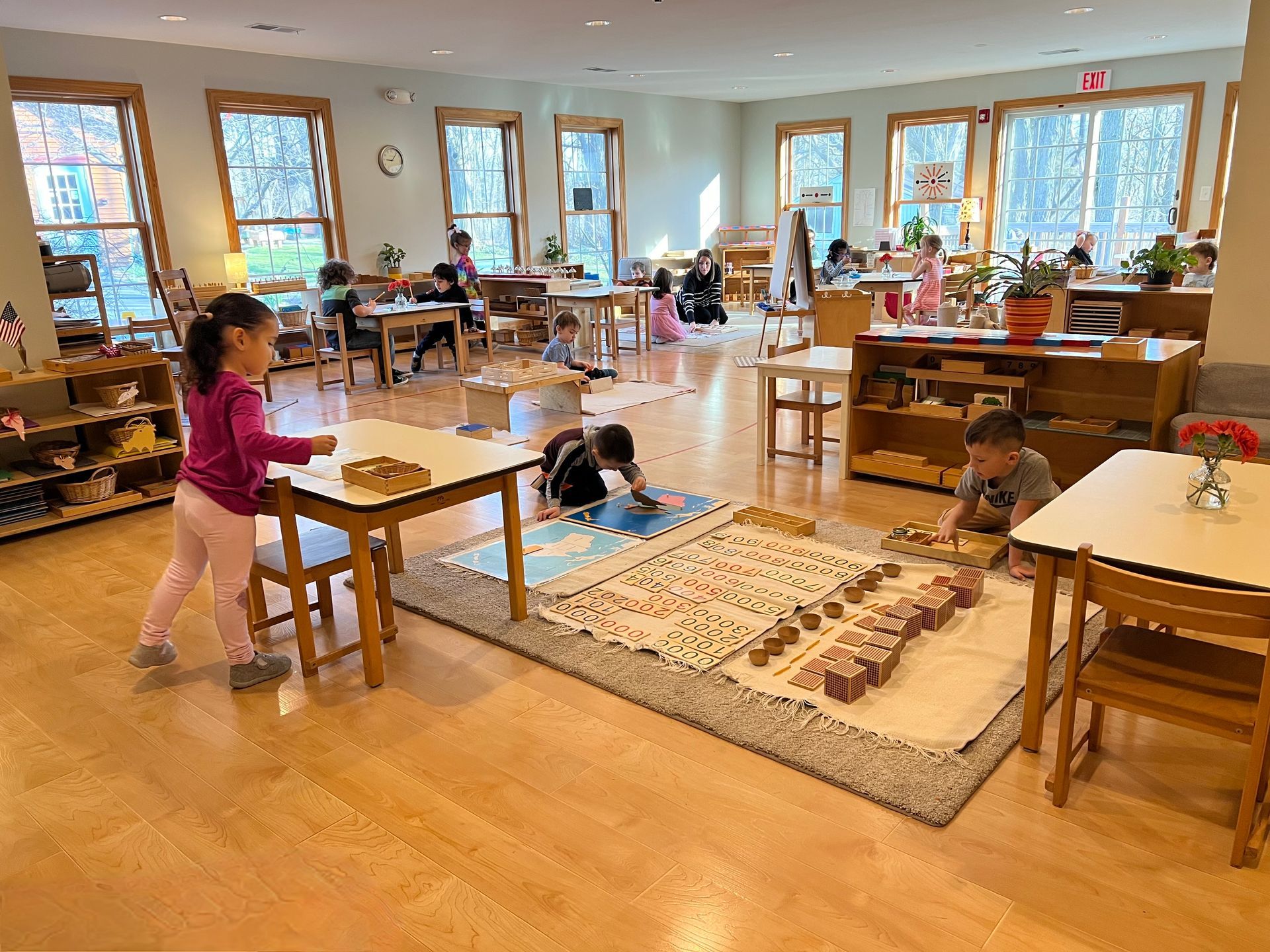
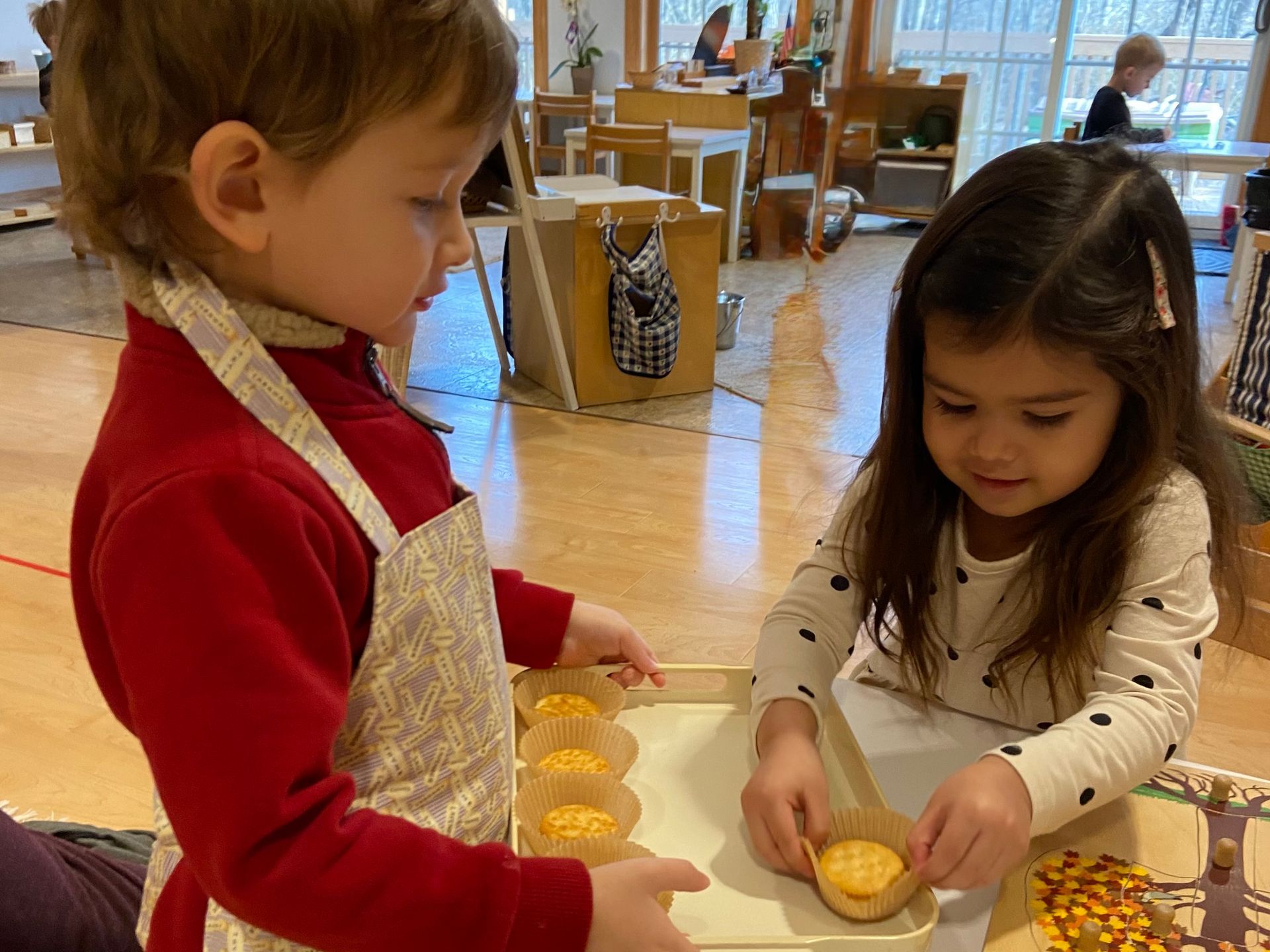
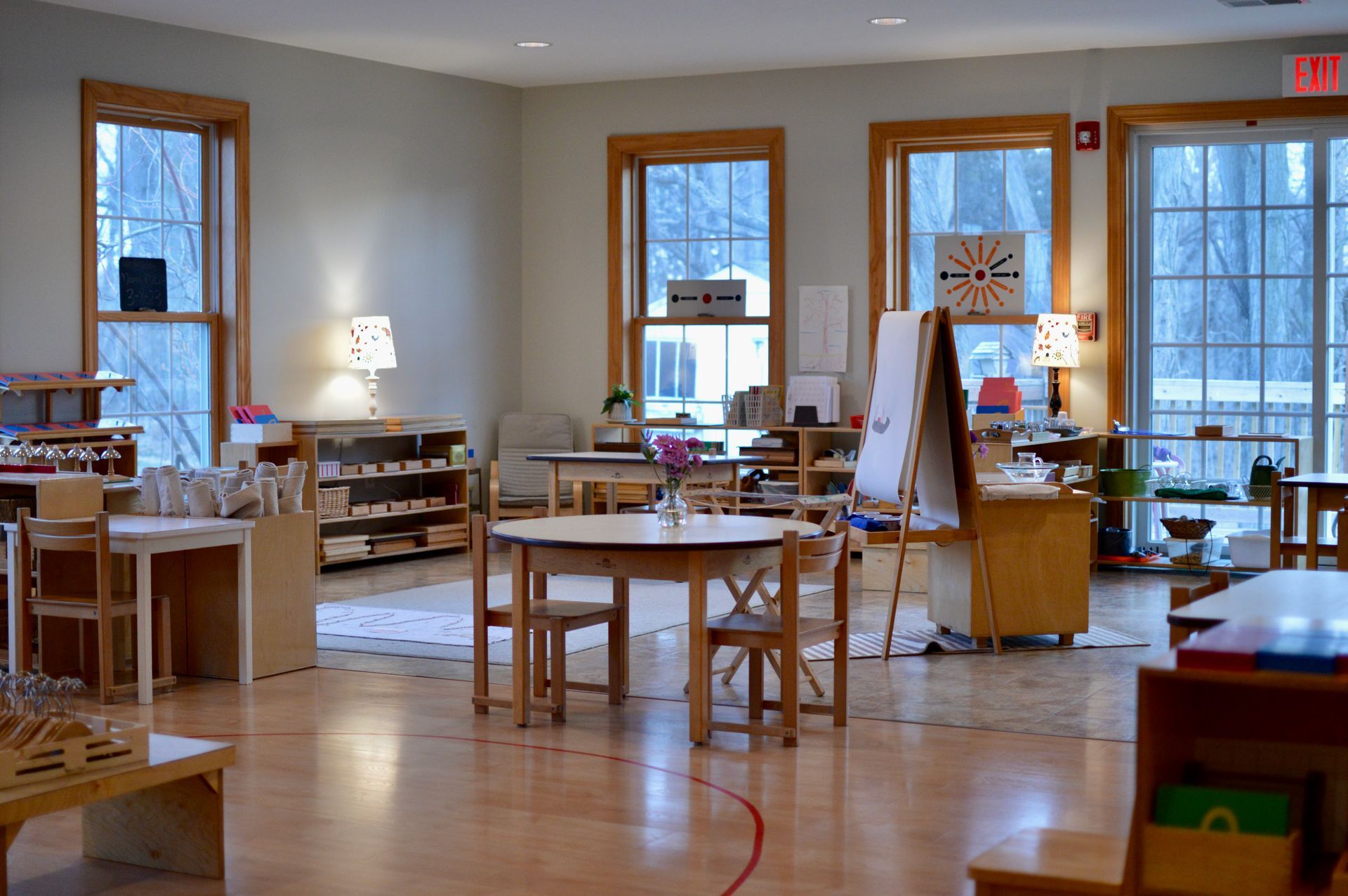
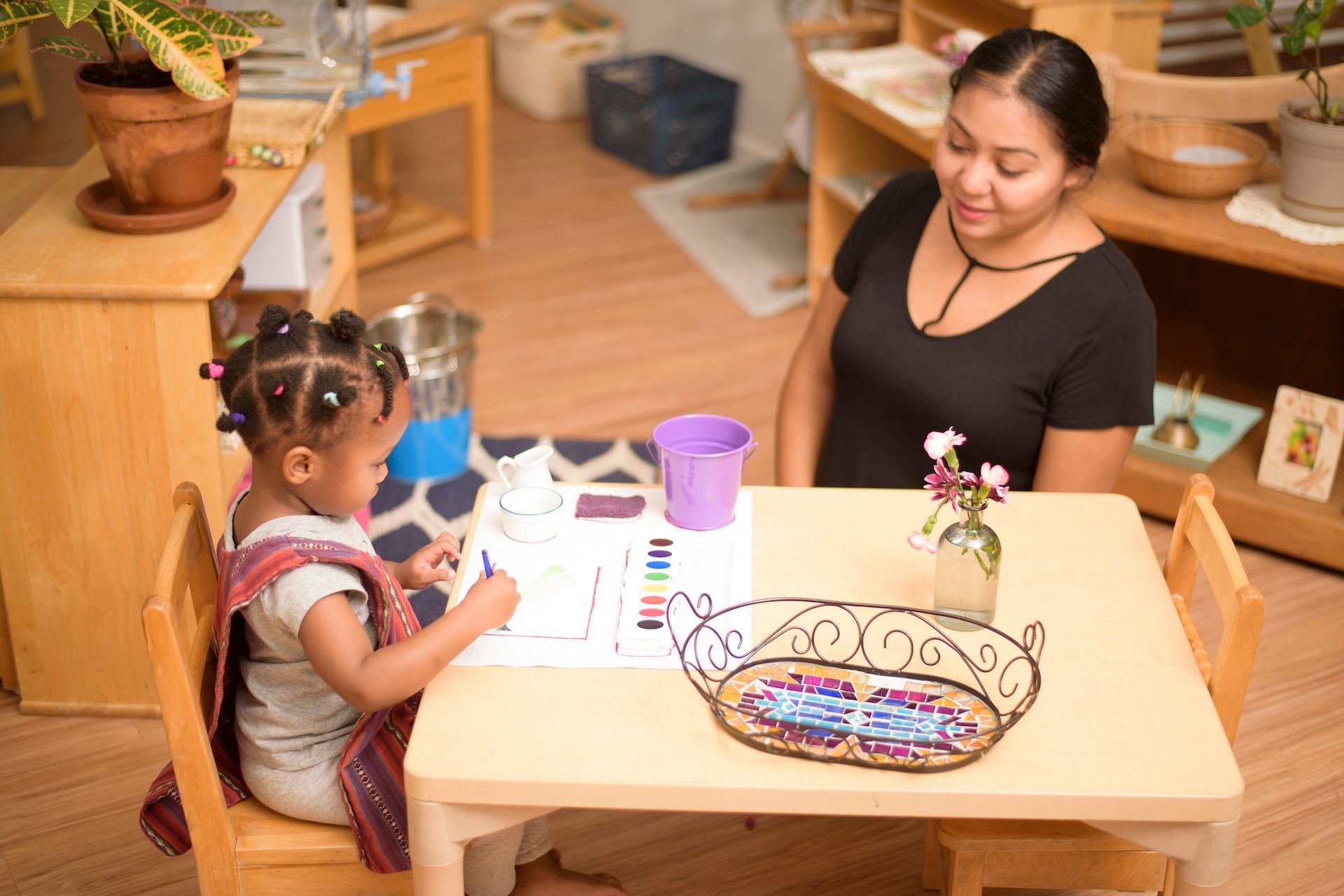
Are you new to Montessori? Have you had a child in our program for a while but find it difficult to explain Montessori in a nutshell? This educational philosophy is more than meets the eye, and it can be easy to get bogged down in the details when trying to explain it to someone. While we could talk about Montessori all day (and, let’s face it, we do!) sometimes it’s helpful to have a succinct article both to learn from and to share with others. Many people have heard of Montessori, but there are plenty of misconceptions and misinformation out there! Check out our ten points that help explain what Montessori is really all about. 1. We follow the child. This means we don’t teach the same skill to a whole classroom of children at once. Each individual enters our school with different knowledge and levels of readiness, and it’s our job to help them along their own path. We don’t see education as a means of cramming identical prescribed information into the minds of each child, but rather as an opportunity to cultivate joyful learning, curiosity, and independence. Sure, there are basic skills that we all need to learn, but we don’t all learn them at the same time or in the same way. When children are allowed to learn at their own pace and take time to deeply explore their interests, they understand more and enjoy school more. 2. We value scientific observation. Dr. Maria Montessori was a physician who conducted research. She used scientific observation to better understand how children learn and continued to use observation as she developed her methods and materials. Today, in every Montessori class around the globe, guides step back and watch the children in their classrooms. They notice what the children are doing, take notes, and adapt their plans accordingly. The data they collect drives individualized instruction. 3. Deep knowledge of child development informs every decision. While we fully embrace each child as an individual, it’s fair to state that humans tend to follow a basic standard path of development. Montessori classified different stages of life as planes of development, and each plane is defined by specific characteristics. These planes are part of why we utilize multi-age classrooms, and they help us structure our classroom environment and tailor our teaching approaches so that they match where children are developmentally. Dr. Montessori also developed a theory of sensitive periods. These are times in a child’s life where they are particularly primed to learn certain things. Montessori guides know approximately when to anticipate various sensitive periods and what to do to support that critical learning. 4. The environment is key. We believe a well-prepared classroom environment is a better teacher than direct instruction from any adult. Our guides take great care to create a setting in which the children they serve are free to learn, explore, and to develop independence and positive work habits. Our classroom environments are neat, spacious, full of natural light, and pleasing to the eye. We don’t hang distracting posters with loud colors on our walls, but instead display art and other carefully chosen pieces that will inspire the children and beautify the space. In a Montessori classroom you will see living things - both plants and animals - that the children admire and learn to care for. Even the furniture is arranged to serve the children instead of the adults. 5. We utilize freedom within limits. The rumors are true: Montessori students are given a lot more choice than children in conventional school settings. But it’s important to note that the choice is given carefully and with plenty of forethought in order to cultivate independence while keeping children safe and guiding them to learn. One tip we like to offer parents who want to try this more at home is to give your child two choices that would both lead to desirable outcomes. This means you get to maintain order while they feel empowered by your trust in their abilities to decide for themselves. 6. Our guides (teachers) are specially trained. A high fidelity Montessori program will make sure all their guides are well-trained. Commonly accepted credentials are approved by two main organizations: AMI and AMS. It’s important to keep in mind that anyone can open a school and call it “Montessori”, but that doesn’t make it so. Guide training is rigorous, comprehensive, and is completed in addition to a college degree. 7. Our students use carefully designed learning materials. Traditionally made of natural materials, our learning environments are outfitted with specially designed materials that help children learn and work independently. Guides demonstrate how to use each material, and children are then free to select if from a shelf to repeat as often as desired. Materials are autodidactic, meaning they generally have a built-in control of error. There is only one way to use a material correctly, and children are able to correct their own mistakes in the moment. Materials are designed to be more concrete when a child is younger, and move gradually toward more abstract concepts as they grow, so that they are eventually able to work without the materials, but with a solid understanding of basic skills. 8. Traditional academics are only one component of our education. Adults are often amazed at the level of academics students learn at a young age in Montessori classrooms. We absolutely believe children are capable of more than most settings give them credit for, but it’s important to note that learning doesn’t stop there. We believe in educating the whole child, which means appealing to and supporting their growth socially, emotionally, and physically. There are specific structures in place to ensure this happens for each and every child. 9. Montessori should extend beyond the classroom. Montessori began as a way to educate children, but it has become so much more than that. The basic principles can be applied by parents at home, but they can also be applied to the lives of adults. Some organizations are even taking a closer look at how Montessori might benefit elders and people living with dementia to lead richer and more independent lives. It’s all about meeting people where they are, celebrating individuality, and working to contribute our special talents to the greater good. 10. We honor century-old proven methods while embracing current research. As Montessorians, we know what works. For over 100 years we have seen our methods support generations of children and families, so we make sure to preserve our methods and materials. That being said, the world is a rapidly changing place, and any good educator keeps an eye on current research to make sure it aligns with their practices, or to consider if changes might be beneficial to the children we serve. Hopefully this article has given you a clearer understanding of Montessori philosophy and what makes our approach so special. Please feel free to reach out with any questions, and we hope you’ll share this with others!
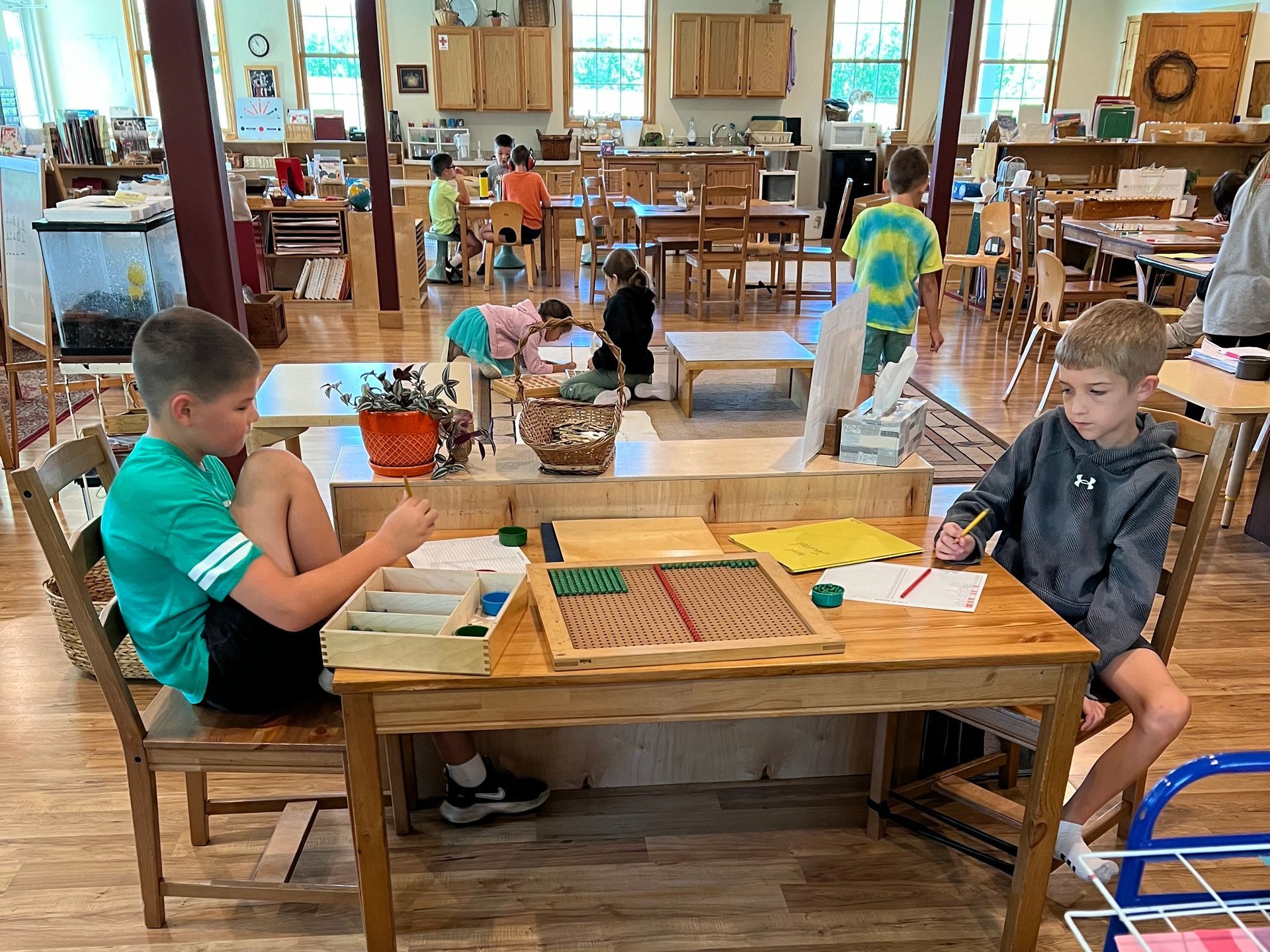
If you find yourself considering Montessori education as an option for your family, you undoubtedly have plenty of questions. If you take one thought away from this article let it be this: anyone can call their school “Montessori”. There is no regulation on use of the name. If you have read articles and heard stories from other families about the incredible benefits of this method of education, they are absolutely the result of a high fidelity Montessori program. Read on to learn more about what to look for. What’s in a name? Throughout her life, Dr. Maria Montessori strove to retain a certain level of control over the course the Montessori movement took. It was, after all, her life’s work and bore her name. She wanted to be sure that guides were trained correctly, methods were applied as she intended, and a complete set of authentic materials graced the shelves of classrooms. Today, there are two major organizations that carry on her work and are generally regarded as the standard for Montessori education. They are AMI (Association Montessori International), which was created by Dr. Montessori herself, and AMS (American Montessori Society), which branched off from AMI in 1960. Today the two organizations maintain a positive working relationship and mutual respect for the work they both do, which is to carry on the legacy of Dr. Montessori and ensure visionary, high-quality education for children. Recognition, Affiliation, and Accreditation If you are looking for a high fidelity Montessori program (which is critical if you want your child to reap the benefits!), it’s important to find a school that is connected to either AMI or AMS. There are different levels of connection, depending on how closely a school aligns their work with what is considered ideal. To become accredited through AMS a school must undertake a rigorous multi-year process that begins with a self-study and culminates with a three day in-person site visit by AMS representatives. Schools must go through the accreditation process at least once every seven years. Accredited AMS schools must have teachers that are fully trained by AMS or AMI for the level they teach. To obtain Recognition Status through AMI, a similar process is followed including an in-person visit by an AMI consultant. A specific set of criteria must be met, including having 100% of lead teachers being trained through an AMI sponsored teacher training program. If a school meets all criteria, but has a lower percentage of AMI trained teachers, the school may be considered AMI Affiliated or AMI Associated. Schools must reapply for recognition status on an annual basis with an AMI consultant visit every three years. Specifically Trained Educators Montessori guides (the term we often use for our teachers) are specially trained. In addition to college degrees they have obtained, they have also earned special Montessori credentials from recognized training programs. Many of these programs run for several years, include many hours of lectures and reading, practical examinations, written papers, material making assignments, and multiple observations in classroom settings. Many people consider the level of work required for obtaining such a credential to be similar to that required for earning a master’s degree. Multi-Age Groupings One of the most important elements of a Montessori school is that the classes are organized not by single chronological year classes, but into multi-age mixed groups. This approach is intentional and critical to higher levels of learning. Children ages three to five (preschool and kindergarten) are grouped together, as are elementary-aged children. Some schools break the elementary years up into lower (grades 1-3) and upper (grades 4-6) while others keep them all together. Infants, toddlers, and adolescents are also placed into similarly mixed groups. Why do we do this? There are many reasons. For one, younger children have no shortage of models to surround themselves with. They can see what is expected of them as they grow, both socially and academically, and they work to emulate what they see older children doing. As for the older children, they are given the unique opportunity to practice leadership skills and cultivate empathy for younger children. In addition, they often help teach, which reinforces their own mastery of subjects. The Classroom Environment There is much to be said for the Montessori classroom environment - more than we could possibly summarize in a paragraph or two here. That said, we can certainly highlight the most critical features you should look for in a well-run program. Classrooms will feature ample natural light and children will have access to the outdoors. Furniture will be sized for the children who are meant to use it, and there will be a variety of different furniture options. This means in lieu of desks in rows, you should see group work areas, independent work areas, and space to work comfortably on the floor. Natural materials like wood, glass, and woven baskets should take the place of plastics. Specialized Montessori materials should be well organized and adorn shelves at the children’s height. The room may be decorated with living plants and carefully hung works of art. You should not see walls covered with posters or busy color schemes. It should be apparent that the guide is not the center of the room, but rather serves as an element of support for the children who work there. Children should have free access to take care of their own personal needs, such as using the restroom, serving themselves snacks, having drinks of water, and retrieving all materials necessary to explore and work. We hope this article has been a helpful guide as you embark on your journey into Montessori education. If you have any questions or would like any guidance, please feel free to contact us.
There’s no doubt about it: Montessori is different. From the moment you step foot into our school, you know it’s unlike any conventional school. We like it that way. We know what we’re offering is special, and the families who seek out our school are usually looking for something different. What, exactly, makes Montessori special? Read on to learn just a few of the many ways. Freedom Within Limits One of the greatest Montessori misunderstandings is that either a) the children in our care run amok with no direction whatsoever, doing whatever they please, or b) our methods are so rigid they allow for little (if any) variation. As you may have guessed, neither is accurate, and we lie somewhere in between these two extremes. Generalizations tend to come from misinterpreted truths, however. Montessori does value the child’s independence and choice. Children get to choose their work, where they sit, the order in which they get things done, when to have a snack, when to use the restroom, etc. To help them make these choices successfully, Montessori guides created carefully crafted boundaries for the choices to nestle within. For example, children get to choose their work because the only options available to them are all work we want them to focus on. They can only select something off the shelf that we have put there in the first place. They are required to use the material correctly. And if they spend 3 days straight working on the same thing? Well, we believe if they’re doing that then they are getting something important out of the experience. When a child has learned everything they can from a material, they will become bored with it and happily move on to something else. This doesn’t mean we never guide children who are resistant to try certain things or who avoid particular subjects. It just means we strike a balance between choice and limits. Multi-Age Classrooms It’s not very common elsewhere to find classrooms that serve children of more than one grade level. We think multi-age classrooms better serve the children, and we’ve been doing it that way for more than a century - successfully. Multi-age classrooms allow us to blend the lines between skill levels. The older child who still needs extra help with reading won’t feel left out - there are plenty of others in the class who need the same help they do. The younger child who excels at math and craves more of a challenge can have that, because the structures to do so are already built into the environment. Our younger students have an abundance of role models and our older students have plenty of opportunity to practice leadership skills and display mastery of their own academic skills by showing the ability to teach others. Our teachers, students, and families have three years to get to know each other. This allows a lengthy list of positive outcomes. Teachers as Guides In most places, the teachers are the focus of the classroom. They stand in the front, delivering information that is meant to be consumed. This is not the case in Montessori schools. We believe the most impactful learning is that which involves self-discovery. We want to guide our students to ask and then answer the questions, rather than dictating a pre-scripted version of what we determine to be the most important. Do we have a set curriculum? Absolutely! Do we ensure our students master core subjects and become well-versed in a wide variety of information about our world? Of course. We just do so in a way that is more about leading them to learn for themselves. Individual Pacing We have said it before and it is definitely worth repeating: learning is not linear. No child learns at the same pace and we all move in starts, stops, and plateaus. We don’t believe it makes sense to teach to the whole group (in most instances). We think we should honor the individuality of learning, which means allowing each child to progress at his or her own pace. We have developed helpful systems to support this work, so it’s not only possible, it’s built into the core of everything we do. No child has to wait for the rest of the group to catch up, feeling bored and restless and wishing they had more. On the same note, no child needs to feel like they’re falling behind and not getting the support they need. Emphasis on Formative Assessment We don’t give grades in Montessori schools, but we do document progress. We don’t give tests but we absolutely keep records of where student understanding is. We would argue that our methods allow us to have an even deeper understanding of student progress. Once a grade is on a report card, it’s a done deal. We don’t see the finality in learning, nor do we think comparisons between children are necessary or helpful. We want each child to reach certain goals, but we want them to be able to do so at their own pace. We carefully monitor progress on a daily basis, and our observational forms of assessment allow us to change our teaching strategies in the moment; we can adjust our teaching mid-lesson to make sure kids get what they need. We look at assessment more as a means to review goals and make a plan moving forward. Focus on Independence As we mentioned earlier in this article, Montessori focuses heavily on the independence of children. We believe children, even very young children, are capable and eager to do much more than is typically expected of them. It’s important to note that we are realists. No child will walk through the doors of our school being able to do everything for themselves. Our job is to give enough guidance and support to allow them to progress in that direction. Infants in Montessori environments who are able to stand and support their own weight are able to help change their own diapers in that position. Toddlers learn to put on and fasten their own coats and shoes. Elementary children learn to solve math problems without materials and social conflicts without anger. Adolescents learn the basics of running their own business. It’s a gradual progression, but each step is just as important as the before or the one that lies ahead. Development of Global Citizens Montessori schools operate not just with the goal of educating children in academics, but we hope to create kind, creative, and passionate global citizens. We want to nurture curiosity and a joyful approach to learning that isn’t just about school but about how they see the world. We want to teach kids to care about one another, to celebrate the differences between people, and to feel a deep sense of justice and service. We want them to be successful members of their own local communities, but we also want to give them a broader picture and understanding of the whole world. Knowing how we are all interconnected creates a perspective that will help to create a better planet for everyone. Are you curious? Want to learn more about Montessori? Reach out today to chat with someone from our school or to take a look at what we have to offer.