
Elementary

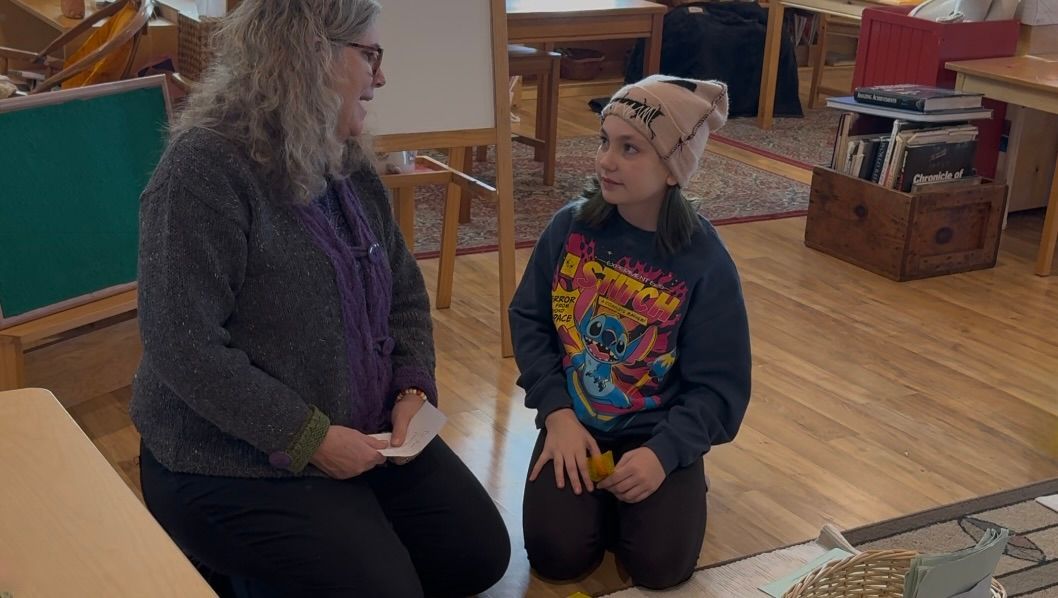
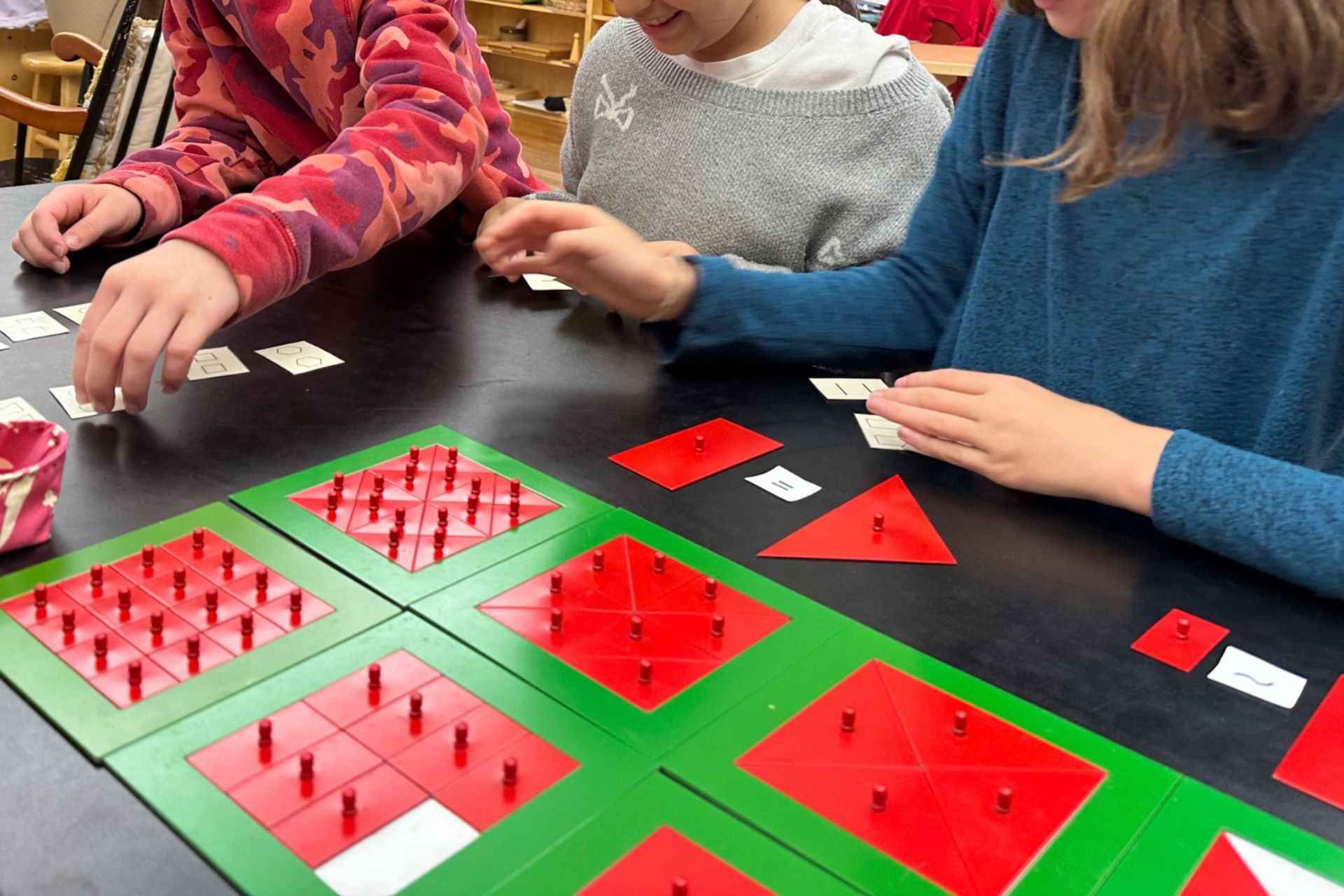
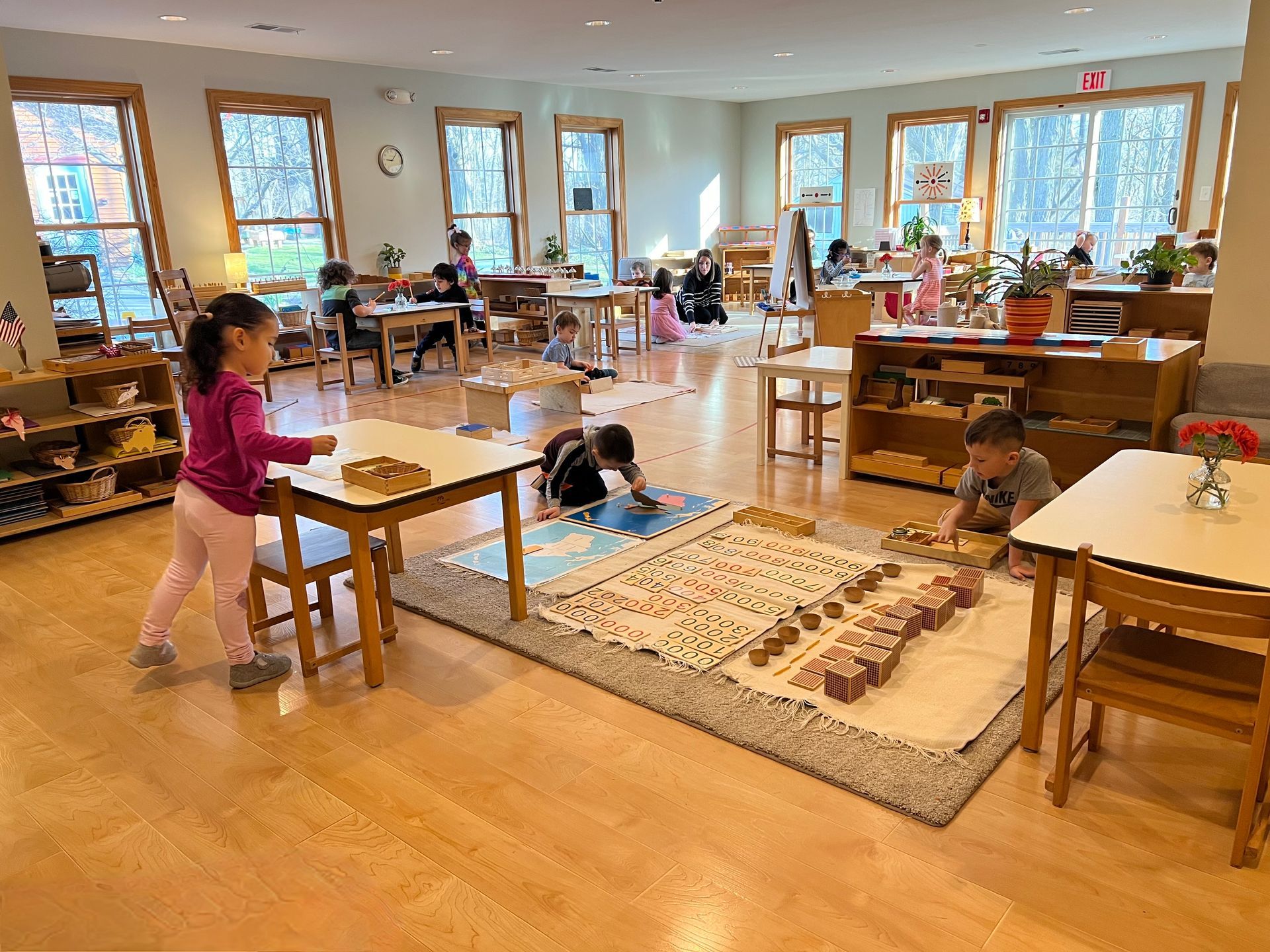
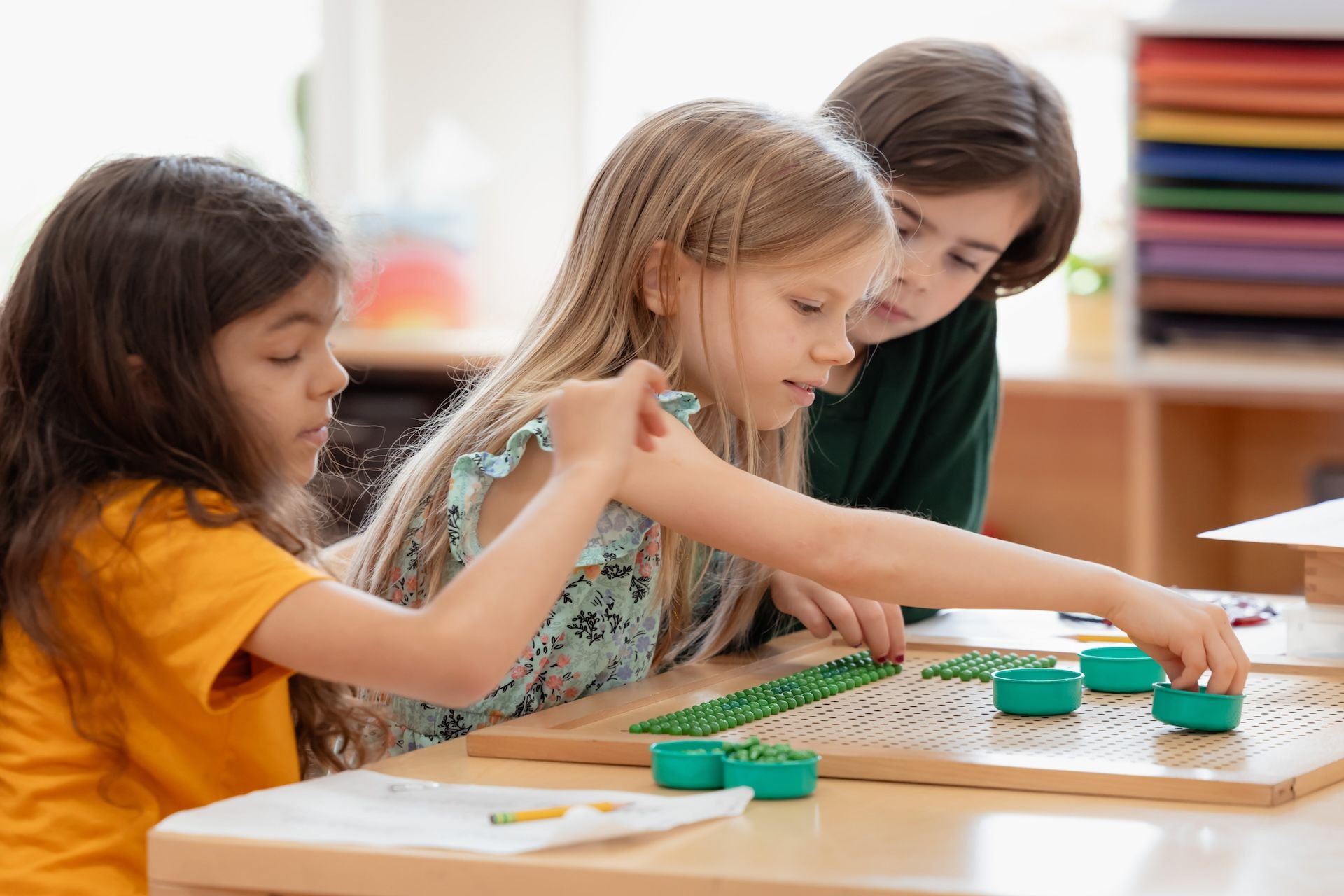
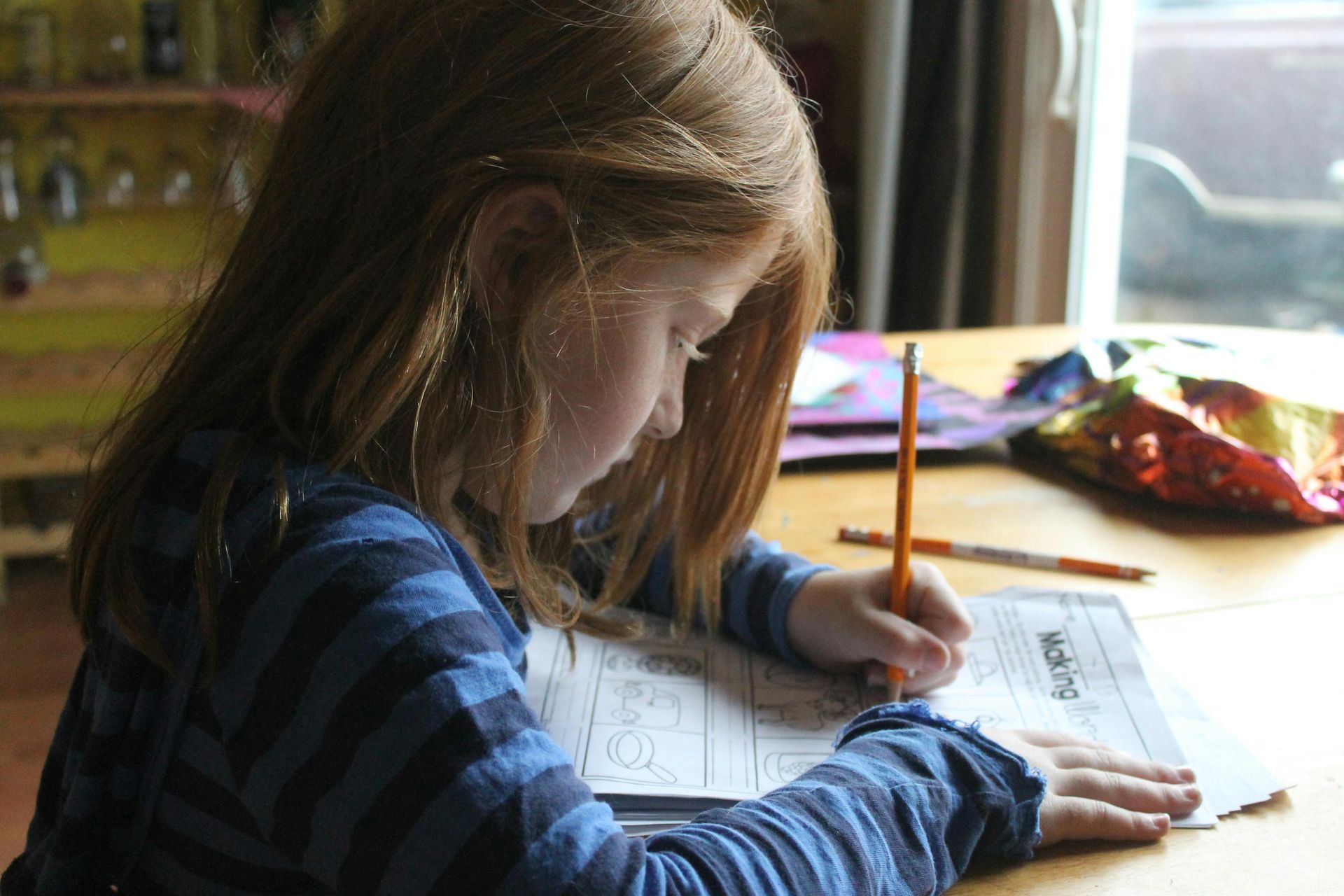
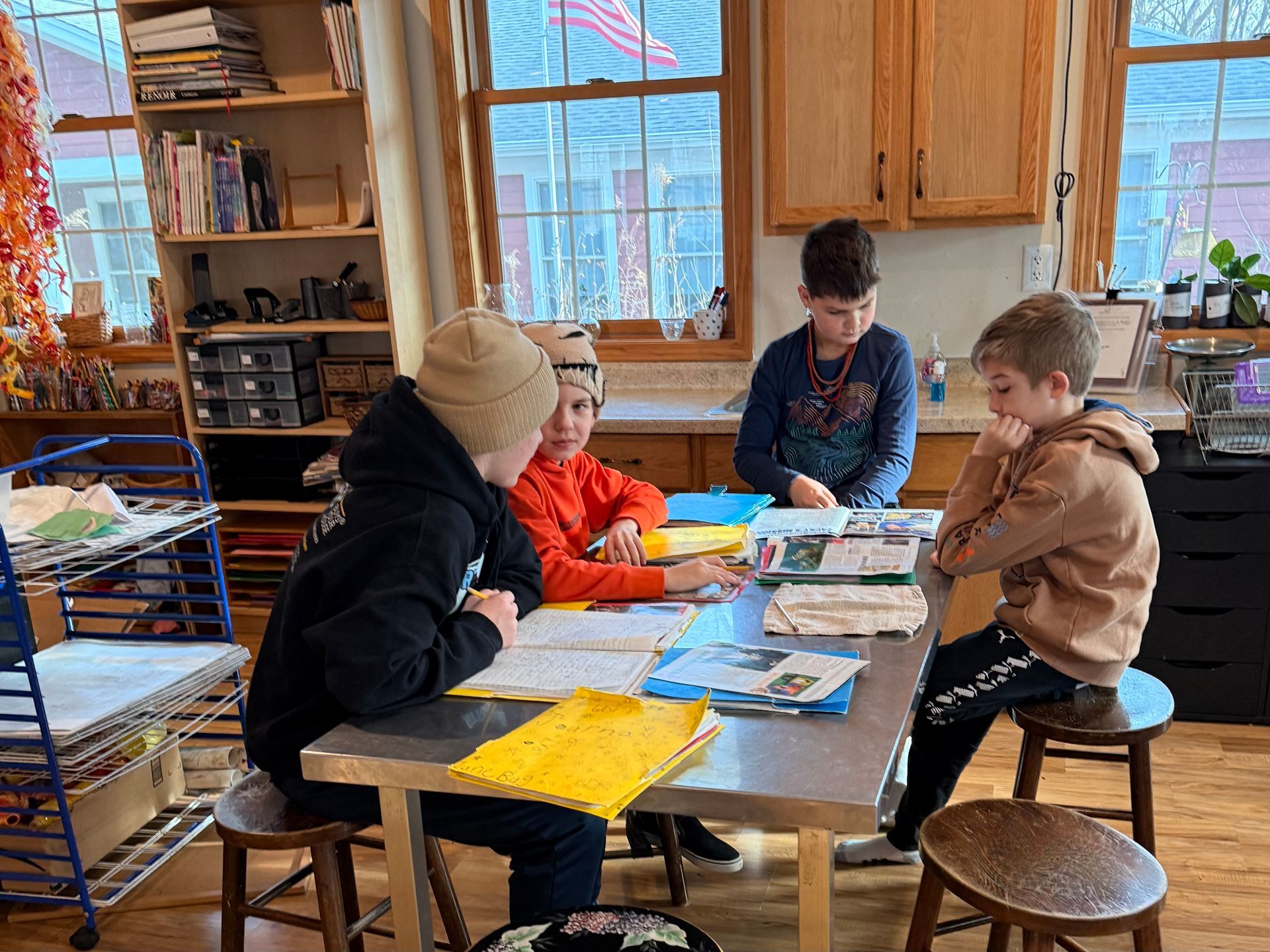
Many of us grew up with some form of homework, so it can feel a little strange when our Montessori kids come home without it. In fact, we may start to wonder what our children are missing by not having homework. Perhaps some worries have crossed your mind: Don’t my children need additional practice to help improve their retention? Doesn’t homework help reinforce concepts learned in school? Doesn’t homework serve as a tool for teaching responsibility, self-discipline, and time management? Let’s lean into these questions to explore what happens in Montessori classrooms and whether homework meets children’s developmental needs. Do our children need additional practice to help improve their retention? Unlike our youngest ones, who love endless repetition (it can be hard to read that favorite book one more time!), once our children reach the elementary years, they crave variety. Thus, the key is to provide lots of different kinds of opportunities for practice. For example, in Montessori classrooms, we have SO MANY ways for students to practice their multiplication facts: the large bead frame, bead bars, bead chains, multiplication board, checkerboard, and bank game, just to name a few. We find that children love to practice and challenge themselves. So should we assign practice for them to take home? Author and researcher Alfie Kohn spent years reviewing the available research (as well as interviewing parents, teachers, and students), and he sums up his findings with the following statement: “Homework is all pain and no gain.” In fact, in studying the research, Kohn found that having and doing homework during the elementary years does not improve learning. That being said, in high school there is a small correlation between homework and test scores, although no clarity about whether doing the homework leads to higher test scores. We’ve also found that when children are engaged and loving their varied practice at school, requiring that they continue the practice at home can actually backfire. For example, when children are made to do academic work at home, we see that they are less likely to engage with similar learning activities at school. That being said, when children are excited about their learning and initiate continuing at home, we encourage and celebrate this extension of their work! Does homework help reinforce concepts learned in school? We want children to see themselves as life-long learners. One way we support this is to avoid the dichotomy of home versus school. Learning doesn’t stop or start at the classroom door! Perhaps at school, a child is suddenly passionate about sea turtles. We explore how this learning can extend into the community: visiting a local aquarium for a real-life encounter, finding sea turtle books from the local library, watching a sea turtle documentary, etc. Some of this could happen through going-out trips from school and just as easily could also be something the child’s family embraces to support the learning experience. Home learning (rather than preassigned homework each night) is meaningful and relevant. Just as an adult might be motivated or excited about a project at work and want to continue some of the process at home at night or over the weekend, we want our students to realize that their learning has no bounds of time or space! This could work in the other direction, too. Maybe a child asks a question at home one night about how stars are formed, which leads to a deep dive at school into types of stars, galaxies, and even chemistry. This understanding that learning happens throughout all the aspects of our lives is a hallmark of Montessori education. We emphasize deep, hands-on engagement with varied kinds of learning materials. Our curriculum is designed to support an explosion of imagination and curiosity. Children can ask questions, explore, and work through big concepts at their own pace. Does homework serve as a tool for teaching responsibility, self-discipline, and time management? Montessori education is grounded in a deep respect for young people. Our unique approach is designed to cultivate responsibility, self-discipline, and time management skills. Montessori classrooms provide children with the freedom to choose their work, but within a structured environment and framework. This freedom is tied together with responsibility and teaches students to make well-informed choices about how they spend their time and what tasks they prioritize. Through one-on-one conferencing and daily adjustments, classroom teachers provide guidance and reflection that empowers students to think about their own learning process, including what parts could use more attention. Instead of relying on external rewards or punishments, Montessori emphasizes intrinsic motivation. Students engage in activities because they are interested and find satisfaction in completing them, which nurtures self-discipline. Plus, children work at their own pace without direct competition. This allows them to focus deeply on their tasks, developing concentration and persistence, which are core aspects of self-discipline. Ultimately, there is work to be done and sometimes even deadlines to meet. As we experience in the adult world, if we have procrastinated, lost focus, or just had to tend to other things, the work doesn’t go away, and sometimes we have to bring it home to make sure we get it done. The same applies to Montessori students. Sometimes they will need to bring some work home to meet a deadline or work through a challenge that needs more attention. Guides may also work with older students to create individual learning plans so that they can more consciously plan their day or week to meet their goals. We scaffold this skill so our young people can learn how to incorporate goal setting, planning, and time management into their lives. In a supportive way, we integrate choice, autonomy, and responsibility into students’ daily routines. The result? Montessori students feel empowered, take ownership of their learning, and have the gift of devoting afternoons and evenings for rest, family bonding, and exploring personal interests. Interested in seeing for yourself how all of this works? Schedule a tour today!

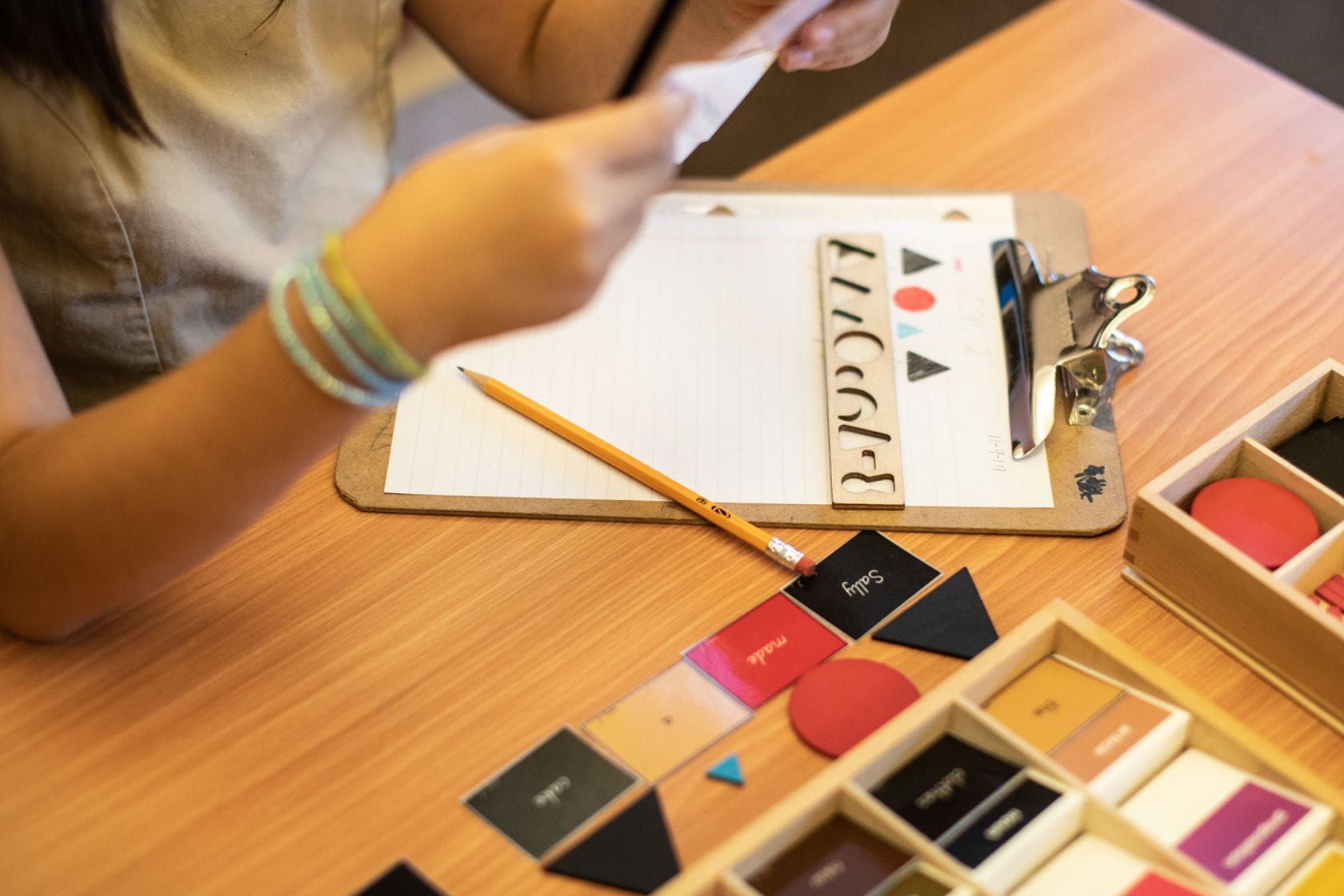
One of the best parts of a Montessori education is that learning is so much fun! We provide hands-on activities and experiences that engage children’s hearts and minds and help them grasp abstract concepts and master complicated skills. For example, when we introduce grammar in elementary, we use the Grammar Boxes, a set of materials that involve reading, interpretation, acting, art, movement, pattern-finding, and even poetry. The result is that grammar becomes an experiential and joyful process that children get to play with and even embody. Grammar work in Montessori elementary classrooms is also a group activity, which our gregarious elementary-aged children absolutely love. The Materials The Grammar Boxes comprise an array of colorful materials that easily take up a whole shelf in the classroom. Like so many Montessori materials, they use color coding to help children establish stronger neural pathways to identify parts of speech and their function in sentences. Each of the eight grammar boxes has one large compartment that holds cards with sets of phrases and sentences, as well as smaller compartments for one-word cards. The cards are different colors for each part of speech: article (tan), noun (black), adjective (brown), verb (red), preposition (green), adverb (orange), pronoun (purple), conjunction (pink), interjection (yellow). Children experience the name, symbol, and function of each part of speech in a multi-sensorial way, maximizing their opportunity to acquire real and deep understanding. The Activity We start with little games to introduce the part of speech. For example, we provide commands, like skip, run, hide, hum, and so on, to experience the role the verb plays. Next, we select the grammar box and filler box to match the part of speech. Children fill the grammar box with the various cards, and then they choose one of the sentence cards and read the sentence. Using the one-word cards, they build the sentence by looking through the smaller compartments in the grammar box to find each word. In the preposition grammar box, one of the sentences states, “Lay the pen with the pencil.” When children look for each of the words, they will find that “pen” and “pencil” are on black cards because they are nouns. “Lay” is on a red card because it is a verb. “The” is on a tan card because it is an article. The new type of word – “with” – is a preposition. Children build the sentence and then act it out. The next sentence on the card is exactly the same except for one variation. “With” changes to “behind” so the sentence reads “Lay the pen behind the pencil.” So children keep the constructed sentence but just change the one card. They act out the sentence again, experiencing how changing the preposition changes the sentence in a certain way. The final sentence on the card reads “Lay the pen beside the pencil.” This acting out and playing around with what happens when one-word changes provides a sensorial experience of the parts of speech. We also share key phrases that highlight the function of the part of speech. For example, when working with pronouns, we’ll state, “This kind of word stands in place of a noun.” The children come to appreciate how words do important work just like they do. As a result, they experience an inspired interest in the functions performed by different words. Continued Exploration Once children have mastered this first step, the Grammar Box materials offer multiple forms of follow-up to promote deeper understanding. Symbolizing - We link each part of speech with a color-coded symbol. For example, nouns are represented by black triangles and verbs by red circles. Children love to “symbolize” the grammar box sentences, as well as sentences they have written or even sentences from books. This practice is essentially an early form of sentence diagramming and children begin to notice visual patterns in the structure of sentences. Quizzing - We can also play a little game to quiz children on the parts of speech and their functions. One form of this is to cover all the smaller, labeled compartments with color-coded paper. We might prompt the children, “What is the name of the word that told you the action?” They’ll call out “verb!” And we reveal (or they will check) the answer by removing the red slip. Transposing - When we move words around in a sentence or phrase, the meaning may remain essentially the same, change dramatically, or be lost entirely! So, with the grammar box cards, we play around with shifting the order of the words in the constructed sentences and phrases. This highlights the importance of word order in our language and also opens up some creative thinking about poetic phrases (which often enlivens the imagination of young poets!). Reading Commands - Children also love using the command cards that accompany each grammar box. These cards encourage dramatic interpretation and build reading comprehension. Children interpret nuances as they explore gradations in vocabulary and eventually even how subtle shifts in vocabulary can impact meaning or interpretation. Extensions After children learn key grammar language and concepts via the Grammar Boxes, we initiate a deeper study into classifications within each part of speech. For example, a study of the verb moves to an examination of the differences between action and linking verbs, a study of voice and mood, and an exploration of the tenses. Extension work also includes more complex and detailed written work, a study of synonyms, further exploration of ideas presented in the introductory work, and research related to the parts of speech and the history of our language. Elementary children love the extraordinary, the peculiar, and the unusual. Carefully selected words in the Grammar Boxes help spark this fascination, drawing the children into a study of the science of their language. Although work with the Grammar Boxes helps children learn about and understand the functions of the different parts of speech, the lessons also demand a great deal of active and physical expression and thus support children’s powers of expression. This is what “reading comprehension” really is. We can observe the quality and sophistication of children’s understanding by the precision with which each child carries out the actions required by any particular grammar box text. The Importance of Grammar A good grasp of grammar empowers us to communicate and interpret others’ communication with greater clarity and understanding. Thus, our goal is to help each child wield their language with accuracy and power. Grammar work in elementary invites a rich vocabulary and fosters an expansive use of our language in all of its expressions. Grammar work is an exciting, fun, and intellectually stimulating activity in Montessori classrooms.

Raising children is a beautiful, surprising, heart-warming, and challenging adventure. But what’s the best way to navigate through the challenging parts? As humans, we all make mistakes, and are constantly learning throughout our lives. How might we best guide our children through their learning in a manner that is both gentle and effective? It turns out we need a variety of strategies, but some work better than others. In this blog post we highlight some of the most effective ways of helping your children learn from their mistakes. Natural Consequences Natural consequences are whatever happens naturally as a result of a person’s action or inaction. Natural consequences are not determined by an adult, they simply occur. For example, if your child decides not to wear a coat outside in the winter, the natural consequence is that they will feel cold. If they choose not to eat, they will feel hungry. No negative parental intervention is necessary, and in fact, should not be applied. When your child experiences a natural consequence, chances are the experience itself will teach them what they need to learn. We need not remind them that we had suggested the coat or breakfast. To summarize, natural consequences happen all on their own. There is no adult control in these situations, and the consequence itself is not planned, but rather a natural outcome of interacting with the physical world. Logical Consequences Logical consequences are implemented by an adult (typically a parent or teacher), and they are directly related to the action of the child. For example, if your child spills their snack on the floor, you might remind them where the dustpan is and ask them to clean it up. What’s really important is to remember the intention and structure of a logical consequence: it is not a punishment, but rather a gentle learning opportunity that is directly connected to the behavior. The goal is not to have the child repent for having done something wrong, but to give them an opportunity to recognize an error that they may avoid in the future. We must be careful and avoid shaming the child, and to present the situation in such a way that the child is not defined by the behavior. The behavior is simply something the child did that we would like to teach them not to do. Do These Consequences Really Work? Yes...most of the time. There are times we should absolutely step in and not allow natural consequences to occur. These instances include: When your child is in danger When someone else is in danger When a natural consequence encourages the child to repeat the behavior or if they don’t seem to mind the consequence (it’s clear the natural consequence is not having the desired effect). For example, sneaking lots of candy might be fun! The natural health consequences are not immediate and therefore might not make a big impression right away. Natural and logical consequences are empowering for children. They leave the child in control of the situation and provide valuable learning opportunities. A How-to Guide Perhaps the most important idea to remember is that natural and logical consequences are not punishments, but rather an opportunity for the child to learn more positive behaviors. When observing a natural consequence that might help the child learn from an experience, resist the urge to step in and help your child. The natural consequence may not be pleasant, but if it’s appropriate and not hurting them, it’s okay to let them learn from it. When you are trying to determine an appropriate logical consequence, it’s important to keep it age/developmentally appropriate. If your 2 year old takes out all their toys and makes a big mess in their room, they will likely need your help as they work to clean up. A 7 year old, however, is probably capable of doing the job themselves. Make sure that any logical consequence is directly related to the behavior you are trying to correct. Some examples:

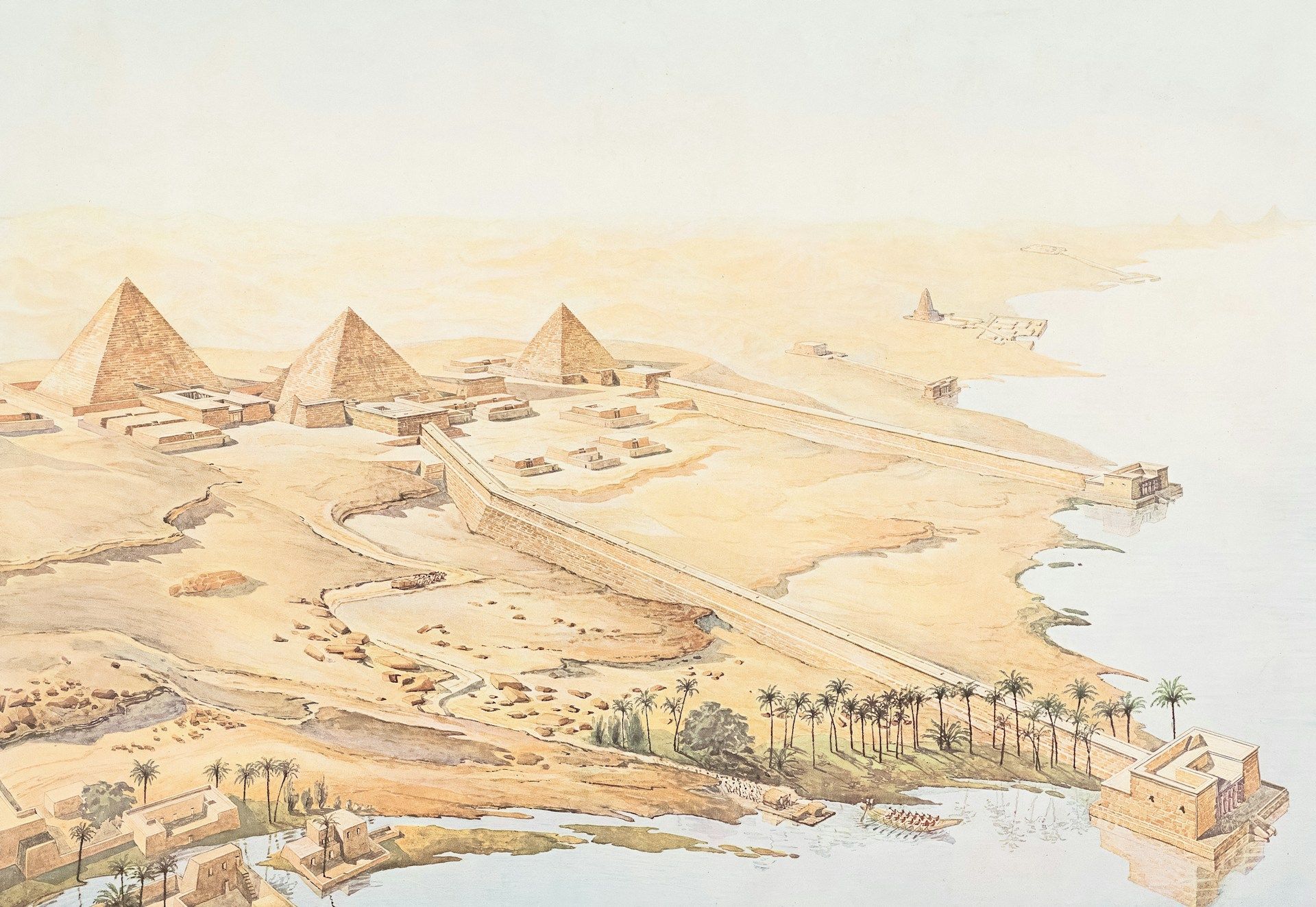
Learning about the planes of development isn’t just for Montessori educators. Understanding your child’s development can help at home, too. The First Plane: birth-6 years During this stage children absorb everything like sponges. They are, indeed, excellent examples if what Montessori called ‘The Absorbent Mind.’ This is a time in which we are able to utilize what Montessori called sensitive periods of learning. While each child is different, there are typical patterns that emerge in regards to brain development and general readiness to learn particular skills. During the first three years of this plane, all learning is done outside of the child’s conscious mind. They learn by exploring their senses and interacting with their environment. During the second half of the plane, from about 3-6 years, children enter the conscious stage of learning. They learn by using their hands, and specialized materials in the Montessori classroom were developed with this consideration. During this time, children have a wonderful sense of order. They are methodical and can appreciate the many steps involved in practical life lessons in their classrooms. The organization of the works on their classroom shelves is intentional, which appeals again to this sense of order. The first plane is a time in which children proclaim, “I can do it myself”; it is a time of physical independence. The Second Plane: 6-12 years During the elementary years children begin to look outside themselves. They suddenly develop a strong desire to form peer groups. Previously, during the first plane, a child would be content to focus on their own work while sitting near others. In the second plane, a child is compelled to actually work with their friends. It is during this time that children are ready to learn about collaboration. During the second plane there is a sudden and marked period of physical growth. This may be a contributing factor to the observation that many children of this age seem to lack an awareness of their body, often bumping into things and knocking things over. Children begin to lose their teeth around this time as well. Their sense of order and neatness tend to fade a bit during this plane. Throughout the second plane, children’s imaginations are ignited. Since Montessori education is based in reality, we find ways to deliver real information to children through storytelling and other similar methods. For example, when teaching children about the beginnings of our universe, Montessori schools use what is called a Great Lesson. The first Great Lesson is a dramatic story, told to children with the use of props, experiments, and dramatics (think: a black balloon filled with glitter is popped to illustrate the Big Bang, with bits of paper in a dish of water used while talking about particles gathering together). This lesson is fascinating for children in the way it is presented, but gives them basic information about the solar system, states of matter, and other important concepts. Children in the second plane have a voracious appetite for information, and are often drawn strongly to what we in Montessori call the cultural subjects: science, history, and geography. While we support their rapid language and mathematical growth during this time, we are also responsible for providing them with a variety of rich cultural lessons and experiences. It is important to note that children develop a sense of moral justice at this time. They are very concerned with what is fair, and creating the rules to a new game is often as important (if not more so) than playing the actual game itself. This is the period of time in which children are striving for intellectual independence. The Third Plane: 12-18 The third plane of development encompasses the adolescent years. During the second plane, children become aware of social connections, but in the third plane they are critical. During this time children rely heavily on their relationships with their peers. They feel a strong desire to remain independent from adults, although they are not quite ready to do this entirely. It is our job to find ways that allow them to experiment with independence while also providing a safe structure in which they may do so. Children in the third plane tend to require more sleep, and they sleep later than when they were younger. They long for authentic learning experiences, and Dr. Montessori imagined just that. Her ideas of Erdkinder (children of the earth) led her to contemplate a school setting that would support children’s development during this time. She imagined a farm school, in which children would work to keep the farm operational, but also contribute to planning and decision making while doing so. During the third plane children are refining their moral compass while developing a stronger sense of responsibility. The Fourth Plane: 18-24 The final plane is a time in which young adults are striving for financial independence. They are often living away from home for the first time, and use this time to figure out where they fit into their society. Many make choices to further their education and/or explore career paths. It is during the fourth plane that people begin to develop a truer sense of who they are as individuals. Each plane of development should be mindfully nurtured. If a child is able to experience one developmental phase in a rich and carefully prepared environment, they are ready to fully take on the next phase when it is time.